Mastering the Art of Shift Dress Styling
The shift dress is not merely a garment; it is a sartorial proposition of liberation, simplicity, and architectural form. Its deceptively simple silhouette—a straight cut that hangs from the shoulders, typically without a defined waist—belies a profound versatility and a rich historical narrative. To master its styling is to engage with a piece of fashion history while crafting a personal statement of effortless elegance. This exploration moves beyond superficial tips, delving into the objective principles of design, the psychology of perception, and the strategic application of accessories to transform this iconic piece into a cornerstone of a modern wardrobe.
The Architectural Foundation: Understanding the Shift Silhouette
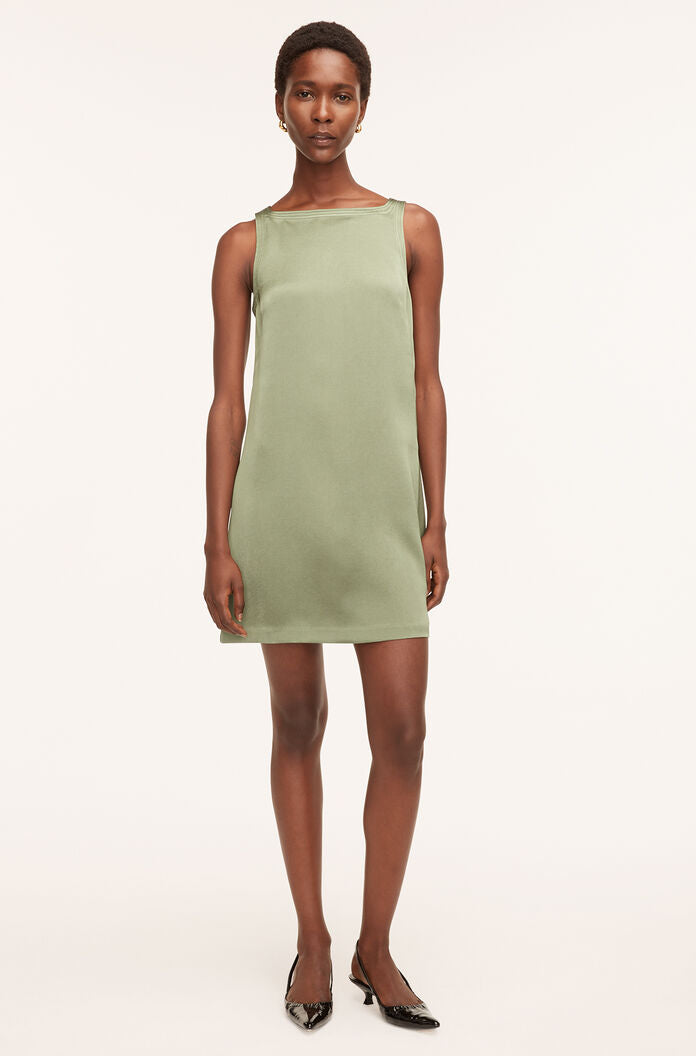
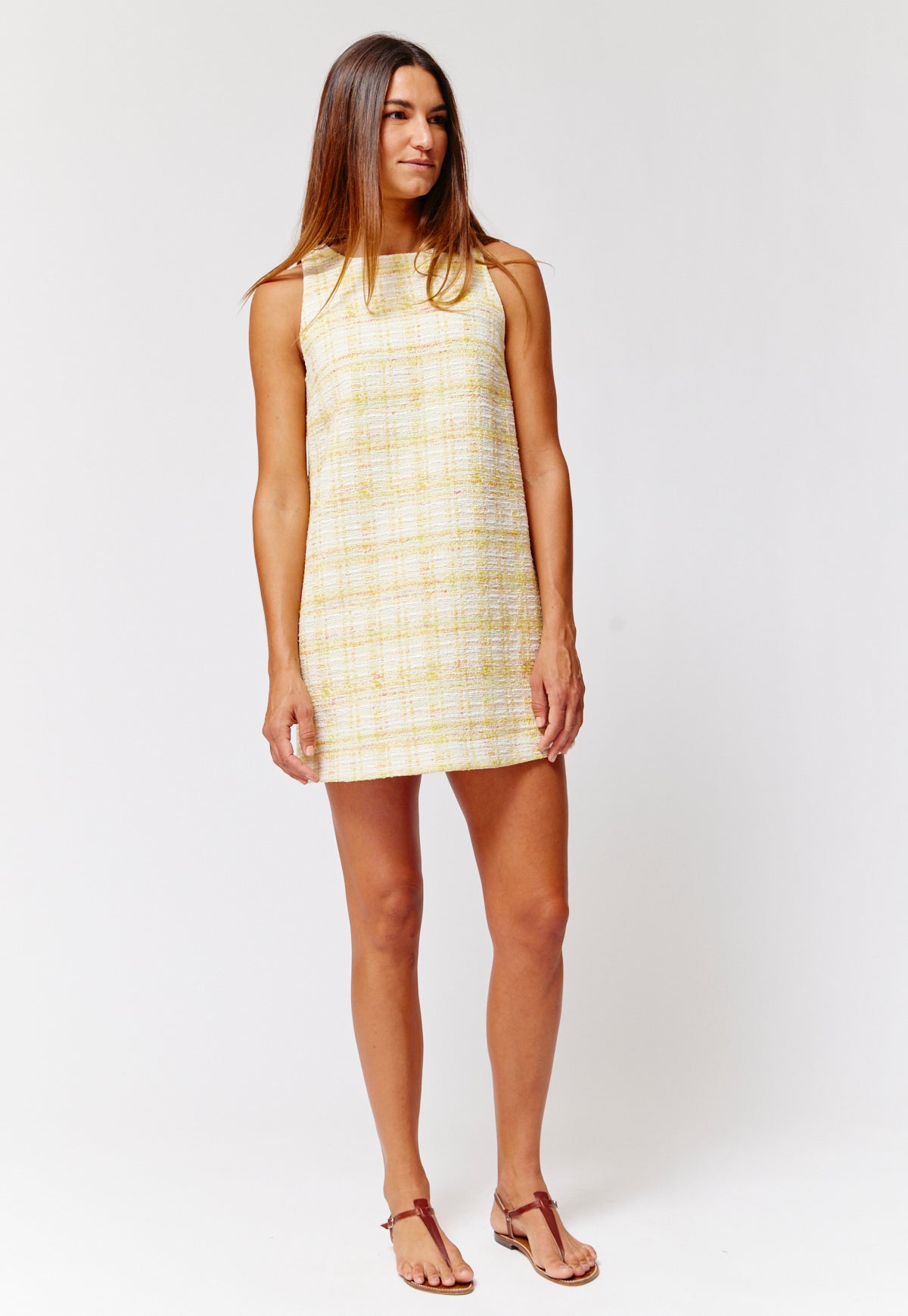
Before one can style, one must understand. The shift dress is defined by its architectural integrity. Originating in the 1920s, it was a radical departure from the restrictive corsetry of the previous era, championed by designers like Coco Chanel who advocated for women’s freedom of movement. As the Victoria and Albert Museum notes, this period saw fashion embrace “a boyish, tubular silhouette,” a direct reflection of changing social roles post-World War I. The key to its styling lies in its inherent geometry. Unlike a bodycon or A-line dress, the shift does not follow the curves of the body; it creates its own space. This presents both a challenge and an opportunity. The challenge is avoiding a boxy or shapeless appearance. The opportunity is the creation of a clean, graphic canvas upon which to build. Scientifically, the eye is drawn to contrast and definition. Therefore, styling a shift dress effectively often involves creating points of visual interest—through texture, color blocking, or strategic accessories—that break the single plane of the dress without compromising its linear essence. The fit is paramount: it should skim the body, not cling to it nor drown it. The shoulders are the dress’s anchor point; a proper fit here ensures the entire garment hangs with intention.
Strategic Accessorization: The Power of Contradiction
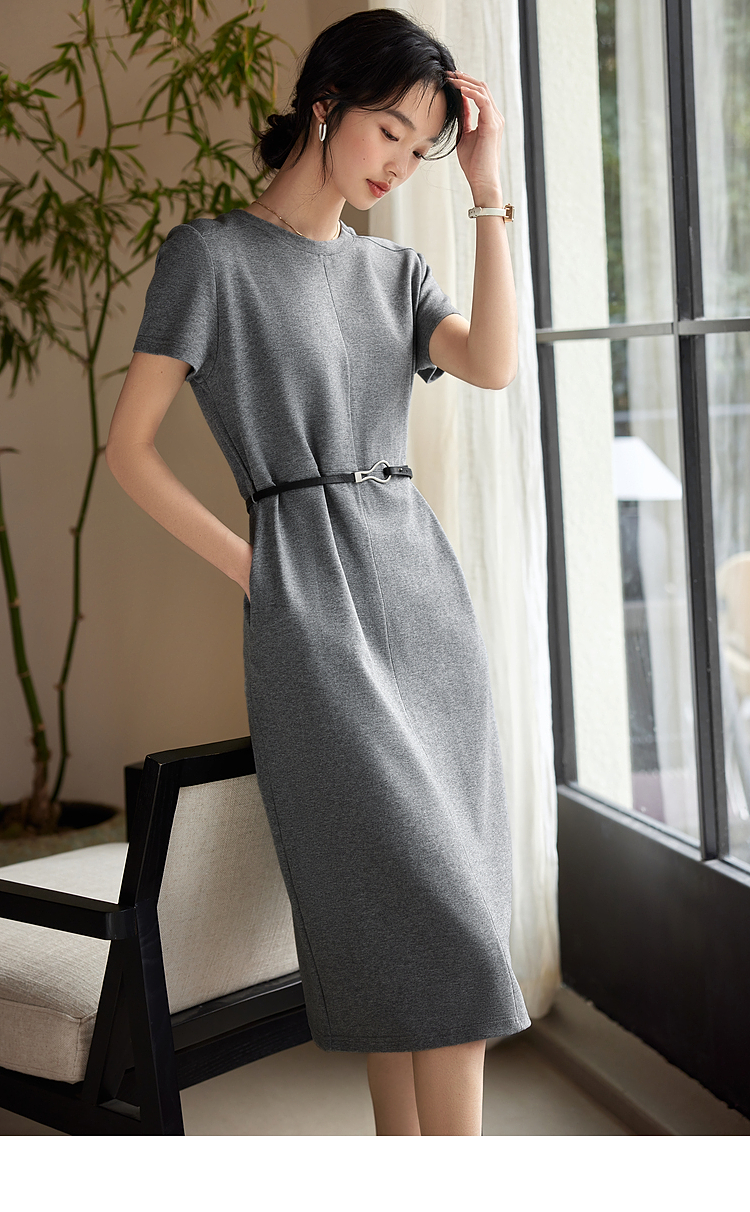
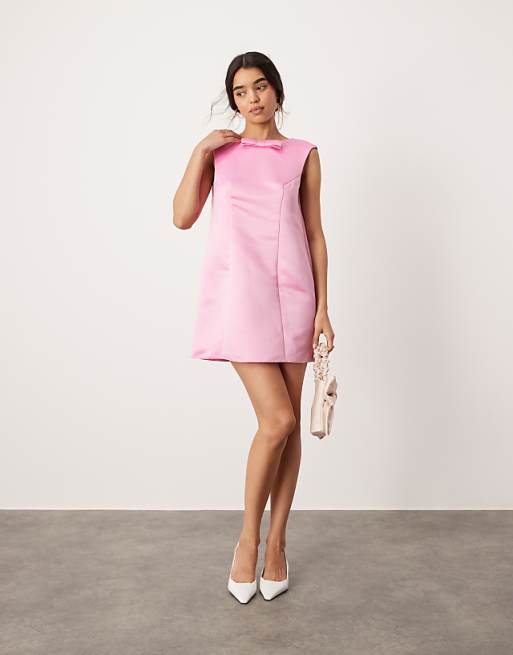
Accessorizing a shift dress is an exercise in calculated contradiction. The dress’s simplicity demands complexity in its accompaniments, but not chaos. The goal is to create a harmonious tension. Consider the principle of balance from design theory. A heavy, minimalist shift in wool or tweed can be brilliantly offset with delicate, feminine jewelry—a lesson in contrast often seen in the styling of former French Vogue editor-in-chief Emmanuelle Alt. Conversely, a sleek, satin shift dress provides the perfect backdrop for bold, statement jewelry. As stylist and author Isabelle Thomas often articulates, accessories should “converse with the garment, not shout over it.” Belts are a particularly potent tool. While the classic shift is beltless, adding a slim leather belt or a wider cinch at the natural waist instantly introduces an element of structure and can create the illusion of a more defined silhouette, adapting the dress’s architecture to the wearer’s form. Footwear choice further defines the mood. The same dress moves from office-appropriate with a pointed-toe flat or a modest block heel to avant-garde with chunky platform sandals, or casually chic with minimalist sneakers. The handbag continues the narrative; a structured satchel reinforces the dress’s architectural lines, while a soft, slouchy tote introduces a relaxed counterpoint.
The Textural Dialogue: Fabric as a Narrative Device
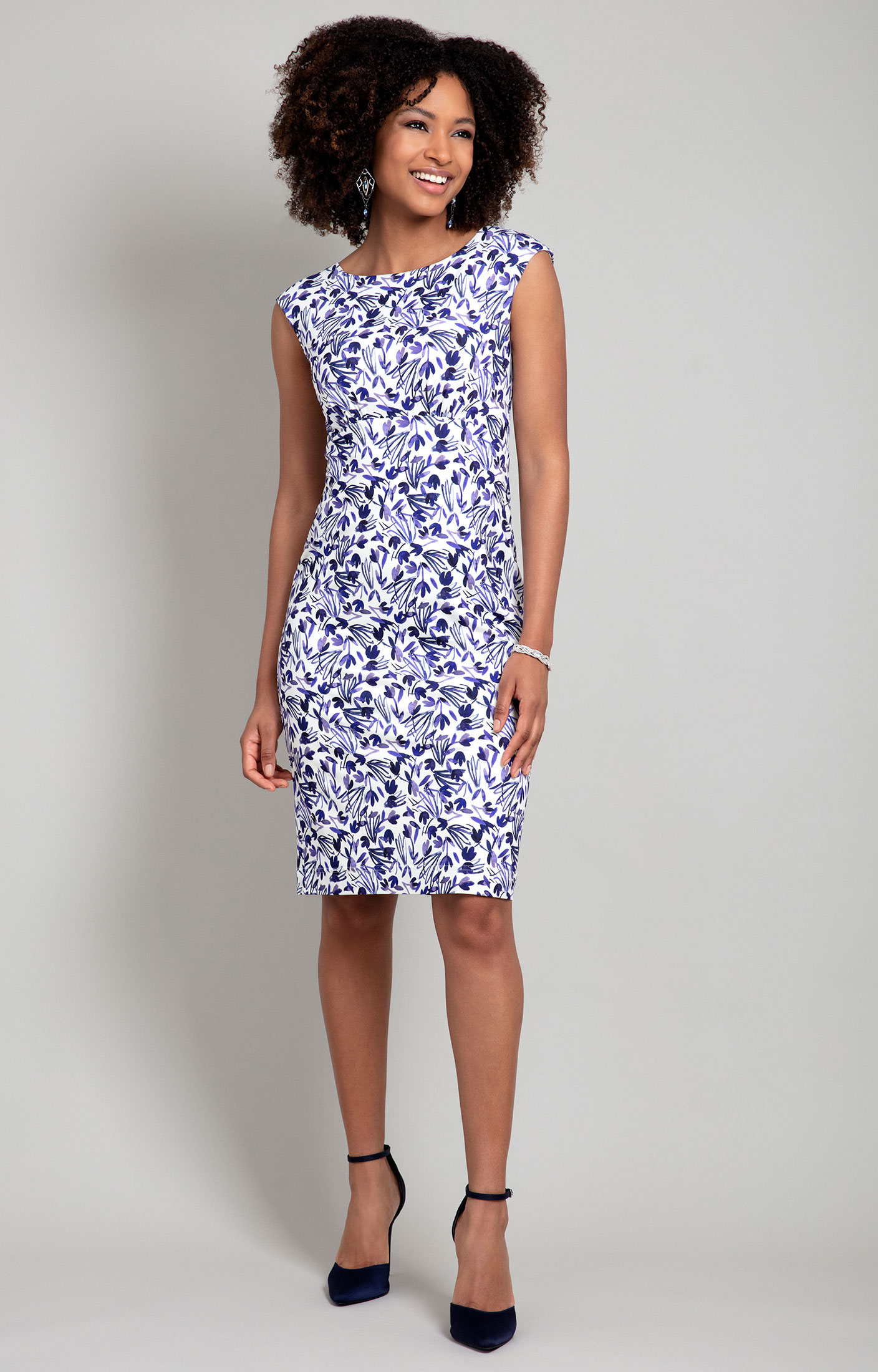
The fabric of a shift dress is its voice. A linen shift whispers of casual, rumpled elegance and Mediterranean holidays, its texture speaking of natural fibers and breathability. A crisp cotton poplin version articulates precision and freshness, its sharpness ideal for a polished daytime look. The choice of fabric fundamentally alters the dress’s interaction with light and shadow, a concept central to the work of designers like Cristóbal Balenciaga, who was a master of using fabric to sculpt shape. A shift in a heavy wool bouclé, much like the iconic fabrics used by Chanel, stands away from the body, creating a more pronounced geometric form. A silk charmeuse or satin shift, however, possesses a fluid weight that allows it to glide over the body, offering a different, more sensual interpretation of the straight silhouette. This is where professional knowledge becomes practical power. Understanding seasonal fabric appropriateness—opting for merino wool or cashmere blends in winter, and seersucker or technical moisture-wicking fabrics in summer—ensures the shift dress is not just stylish but also contextually intelligent. Furthermore, the interplay of textures within a single outfit elevates the style. A smooth, solid-color shift paired with a nubby, textured knit blazer or a shearling coat creates a rich, tactile experience that is visually compelling and deeply sophisticated.
Contextual Intelligence: Dressing the Shift for the Scenario
A truly mastered garment performs across multiple domains of life. The shift dress possesses this chameleonic quality when approached with contextual intelligence. For the professional environment, the shift is a powerhouse. Its inherent modesty and clean lines convey competence and seriousness. The key here is in the details: a knee-length or midi length, a high-quality fabric like a fine gabardine or a substantial knit, and closed-toe shoes. It projects an aura of collected authority, a fact leveraged by countless public figures from diplomats to tech CEOs. For social engagements, the dress transforms through embellishment and layering. A sequined or beaded mini shift becomes a festive party staple, while a solid-color midi shift can be layered over a turtleneck or under a slip dress for a fashion-forward, editorial look reminiscent of styles championed on platforms like Vogue Runway. The casual iteration relies on ease. A relaxed-fit shift in a soft jersey or chambray, worn with sandals or sneakers and a crossbody bag, embodies weekend elegance. This versatility is not accidental; it is baked into the dress’s DNA as a garment designed for modern life. As Diane von Furstenberg, creator of another iconic wrap dress, has implied, the best fashion empowers by simplifying dressing without sacrificing style—a principle the shift dress embodies perfectly.
The Psychological Impact: Confidence Through Simplicity
There is a profound psychology behind the appeal of the shift dress. In a world of sartorial noise, its clarity is a form of quiet confidence. The act of putting on a well-cut shift is akin to creating a personal uniform—it removes the daily dilemma of mixing and matching, reducing decision fatigue. This concept is supported by the “enclothed cognition” theory explored by researchers like Hajo Adam and Adam D. Galinsky, which suggests that the symbolic meaning of clothing and the physical experience of wearing it can systematically influence the wearer’s psychological processes. A shift dress, with its historical associations of independence and modernity, can psychologically prime the wearer for a state of assuredness and focus. Its lack of constriction physically facilitates ease of movement, which in turn can promote a mental state of relaxation and agency. Styling it successfully—feeling both comfortable and polished—creates a positive feedback loop. You are not wrestling with your clothes; you are wearing a tool that allows you to engage fully with the world. This is the ultimate mastery: when the dress ceases to be an object of contemplation and becomes an extension of self-assured presence.
Investment and Accessibility: Building a Sustainable Shift Arsenal
Mastery also involves acquisition strategy. The beauty of the shift dress lies in its spectrum, spanning from accessible fast-fashion iterations to luxury investment pieces. The informed stylist knows where to invest and where to save. Investment should be directed toward timeless versions in neutral colors (black, navy, cream) and superior natural fabrics (high-grade cotton, silk, wool). These are the wardrobe workhorses that will last for years, their cost-per-wear becoming negligible. For trend-driven versions—perhaps in a bold print or a specific color of the season—more accessible price points are perfectly sensible. The current market, from high-street retailers to direct-to-consumer brands, offers remarkable quality at discounted prices, especially during seasonal sales. This democratization of style means that the art of shift dress styling is not reserved for a privileged few but is accessible to anyone with a discerning eye. Building a capsule of two or three foundational shifts in varying weights and lengths, supplemented by a few seasonal pieces, creates a formidable and flexible wardrobe foundation. This approach is both economically savvy and stylistically sustainable, aligning with a slower, more considered approach to fashion consumption.
The journey to mastering the shift dress is a continuous dialogue between the garment’s immutable principles and the wearer’s personal expression. It begins with respecting its architectural heritage, engages through the strategic play of accessories and texture, and achieves its purpose through contextual intelligence and psychological empowerment. It is a testament to the idea that true style often resides not in complexity, but in the confident curation of simplicity. When you understand its lines, honor its fabric, and adorn it with intention, the shift dress ceases to be just an item of clothing. It becomes a reliable, elegant, and potent tool for navigating the world, one clean, unbroken line at a time.