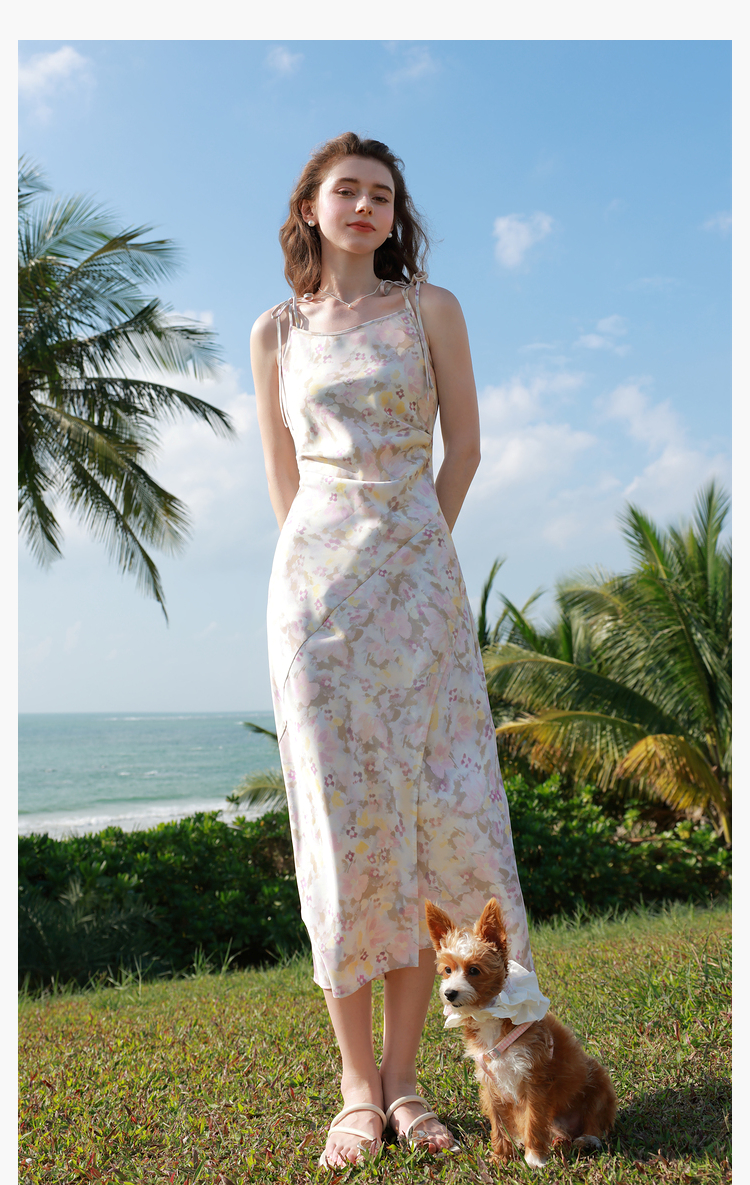
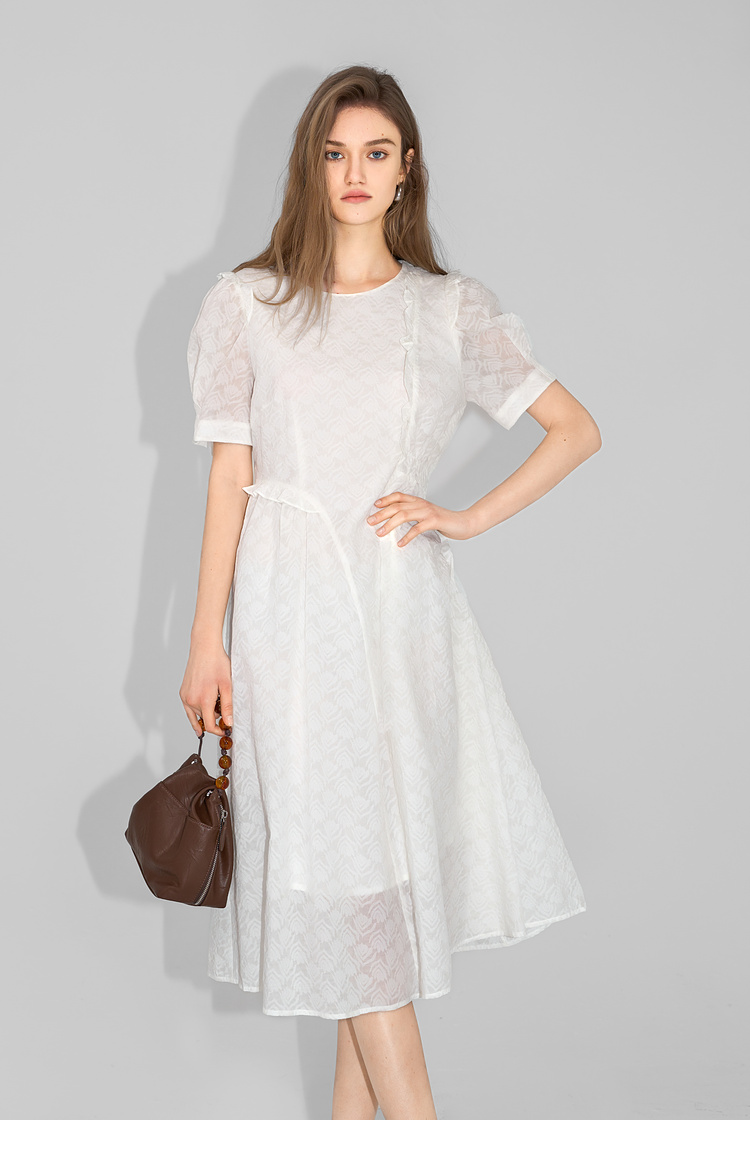
Styling Semi-Formal Dresses for Every Occasion
Navigating the world of event attire often leads us to the versatile and sometimes ambiguous category of the semi-formal dress. It’s a sartorial sweet spot that bridges the gap between casual comfort and formal grandeur, offering immense styling potential. This guide moves beyond simple definitions to explore the art of mastering the semi-formal dress for various settings, providing you with objective knowledge and actionable style strategies to feel impeccably dressed for any invitation that comes your way.
Decoding the Semi-Formal Lexicon: More Than Just a Dress Code
The term “semi-formal” or “cocktail attire” often sparks confusion. Objectively, it occupies a middle ground in the formality hierarchy. According to sartorial scholars and resources like the Emily Post Institute, a cornerstone of etiquette literature, semi-formal for women typically calls for a cocktail dress, a sophisticated separates ensemble, or an elegant semi-formal dress. The length can vary from tea-length to knee-length, though modern interpretations allow for tasteful minis or sleek maxis depending on the event’s time and venue. Fabrics like silk, chiffon, lace, and high-quality synthetics are hallmarks, distinguishing them from casual cotton sundresses or formal floor-length gowns. This definition is echoed across platforms from Wikipedia’s entry on Western dress codes to style forums on Quora, where fashion experts emphasize that the key is polished elegance without overt opulence. It’s a dress code that whispers sophistication rather than shouting it, demanding an understanding of context, fabric, and silhouette to execute perfectly.
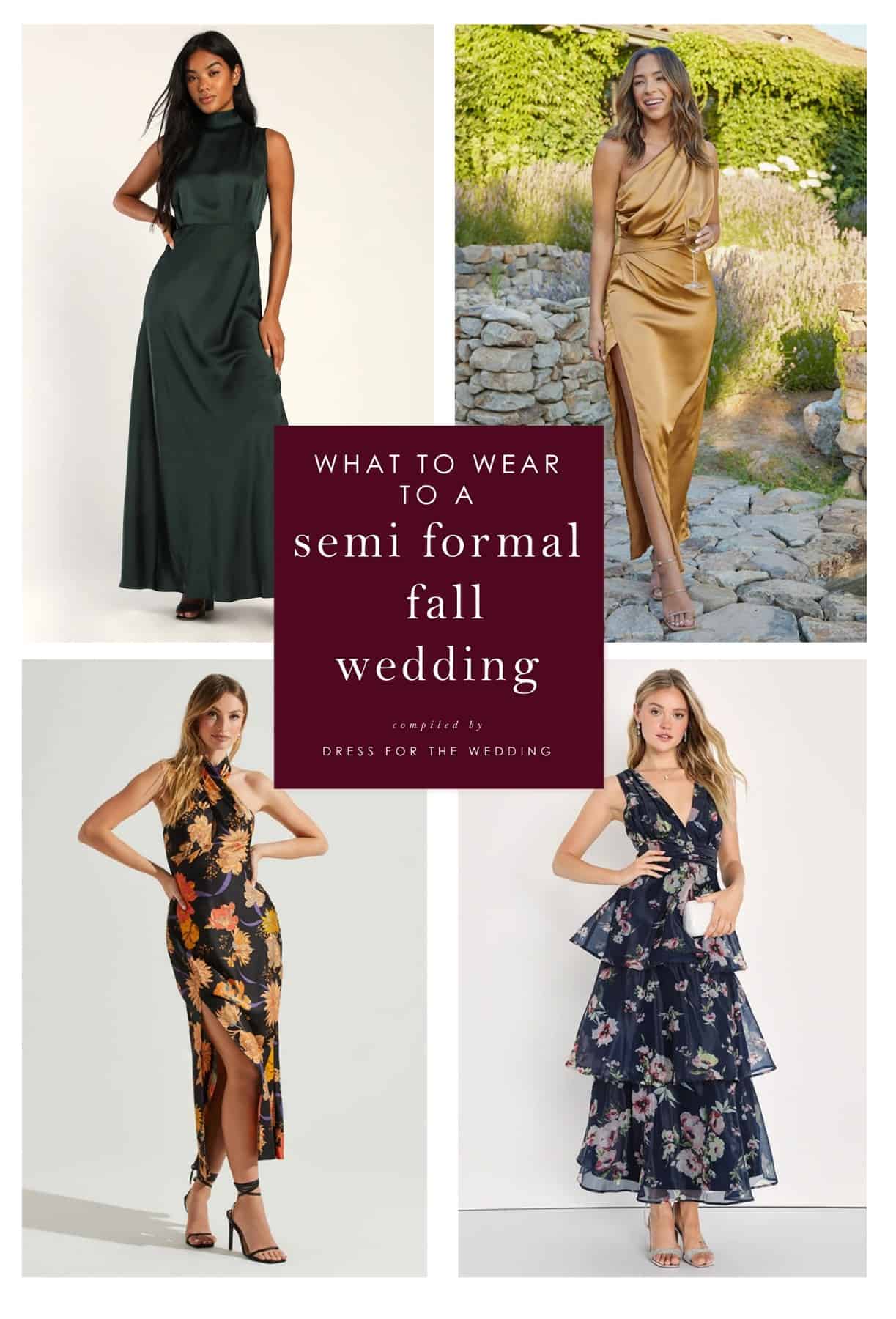
The Wedding Guest Formula: Celebrating with Elegance
Weddings are the most common battleground for semi-formal dressing, with nuances dictated by season, venue, and time. For a daytime garden wedding, your semi-formal dress can embrace lighter colors, floral prints, and airy fabrics like organza. As fashion icon Diane von Fürstenberg once noted, “Style is something each of us already has, all we need to do is find it.” Finding it here means choosing a dress that feels celebratory yet respectful of the setting. For an evening wedding in a ballroom, pivot to richer hues—deep blues, emerald greens, or classic black—and more luxurious textures such as velvet or satin. The authoritative “The Business of Fashion” website often cites the importance of venue-appropriate dressing; a city hall wedding calls for a different elegance than a vineyard ceremony. The unspoken rule is to avoid white, ivory, or anything that could remotely overshadow the bride. Your goal is to look harmoniously beautiful within the wedding’s aesthetic tapestry, a principle supported by countless style guides from Vogue to Brides magazine. It’s about being a polished part of the celebration’s backdrop.
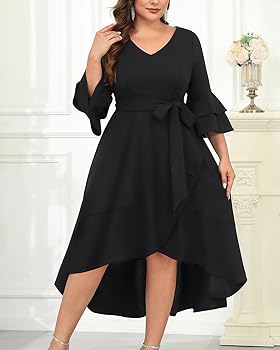
From Office Gala to Dinner Party: Transitioning Your Look
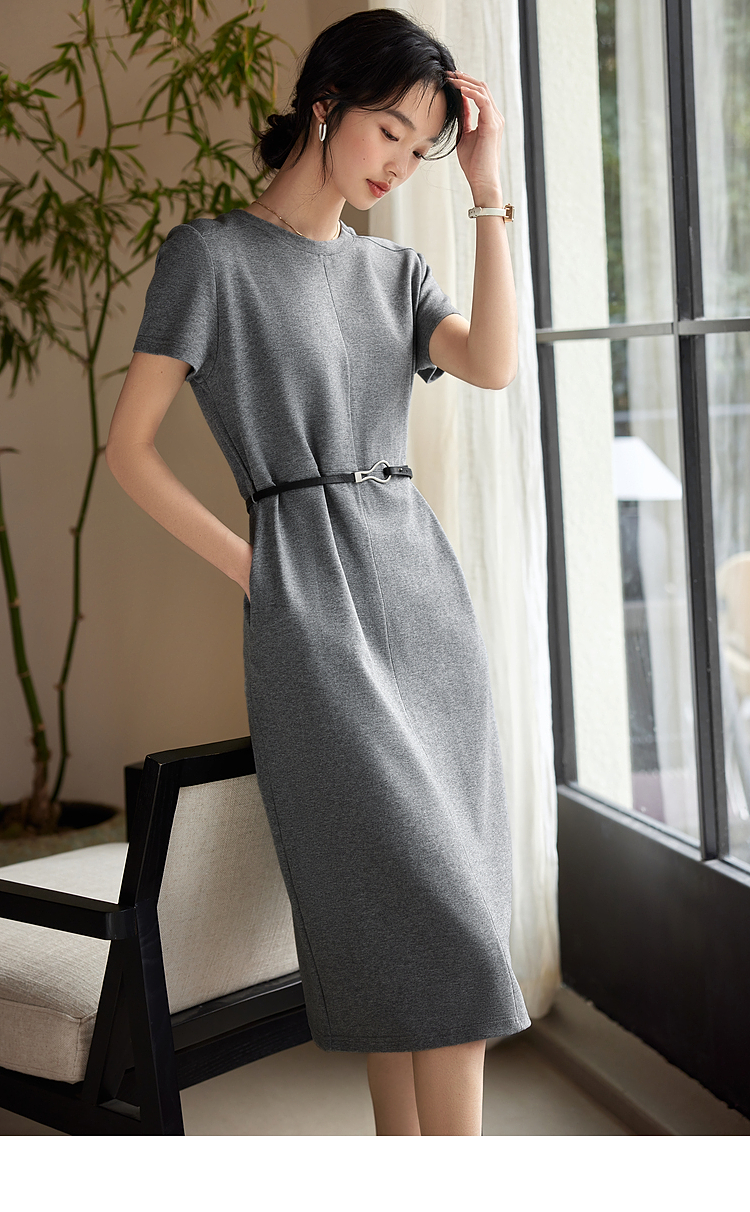
The versatility of a well-chosen semi-formal dress shines in professional and social settings. For a corporate holiday party or awards gala, your dress should balance professionalism with festivity. A sheath dress in a jewel tone or a wrap dress in a solid, sophisticated color is ideal. As Sheryl Sandberg, COO of Meta, indirectly championed in “Lean In,” presenting oneself with confident, put-together professionalism is key in any business-adjacent setting. From there, transitioning to a romantic dinner or a friend’s dinner party is a matter of accessories. This is where professional knowledge becomes practical: swap structured blazers for a soft cashmere wrap, exchange minimalist studs for statement earrings, and change practical pumps for strappy sandals. The core dress remains the same, but its character transforms. This modular approach to dressing is a principle taught in fashion courses at institutions like the Fashion Institute of Technology, emphasizing investment in versatile core pieces. It’s a strategy that maximizes your wardrobe’s potential and ensures you get cost-per-wear value from your purchases, a crucial consideration in mindful consumption.
Accessory Alchemy: The Details That Define
Accessories are the punctuation marks of an outfit; they define its tone. A simple semi-formal dress is a canvas. For a modern, architectural look, pair it with geometric metal jewelry and sleek clutch, a style often seen in the minimalist aesthetics championed by designers like Jil Sander. For a soft, romantic feel, opt for pearl details, a delicate pendant, and a box clutch. Footwear is equally transformative. A pointed-toe pump elongates the leg and adds sharpness, perfect for city events, while a block-heel sandal offers comfort and a slightly bohemian edge for outdoor gatherings. As the renowned costume designer for film and television, Janie Bryant, said in an interview with Vanity Fair, “The right accessory doesn’t just complete an outfit; it tells a story about the character wearing it.” In your own story, let your accessories reflect the chapter of the evening. Furthermore, understanding the impact of accessories allows for strategic spending. Investing in a timeless dress and rotating trend-driven or statement accessories is a financially savvy way to keep your look fresh, bringing discounted long-term value to your style portfolio.
Seasonal Sensibility: Adapting Fabric and Color
Mastering semi-formal dressing requires a dialogue with the seasons. This isn’t merely subjective preference but is rooted in textile science and color theory. In summer, breathable fabrics like linen blends, lightweight cotton sateen, and chambray-style silks are not just stylish but physiologically considerate, allowing for better thermoregulation. Palettes lean towards pastels, brights, and crisp whites. Conversely, fall and winter call for fabrics with inherent warmth and visual weight: wool crepe, velvet, brocade, and heavier satins. The deep, rich colors of these seasons—burgundy, forest green, navy, and metallics—are not arbitrary; they align with the natural environment, a concept explored in color psychology resources from authoritative universities like the University of California, Berkeley, which note how colors can evoke specific feelings and associations. A velvet wrap dress in winter feels intuitively and scientifically correct—it provides insulation and its rich texture reflects less light, suiting the low-lit ambiance of winter events. Choosing seasonally appropriate attire demonstrates a refined understanding of context, elevating your style intelligence.
Building a Curated Collection: Smart Investment Over Impulse
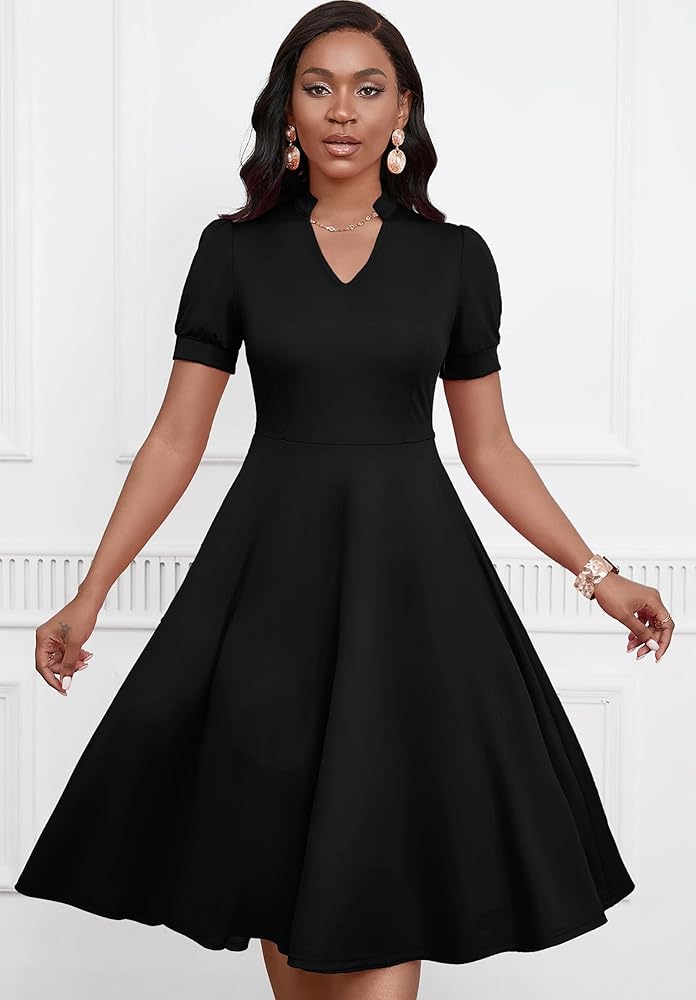
The final pillar of mastering semi-formal style is a strategic approach to acquisition. Instead of buying a new dress for every event, focus on building a small, curated collection of versatile pieces. Start with the Little Black Dress, but ensure its cut and detail make it distinctly semi-formal. Add a high-quality sheath dress in a neutral tone like navy or burgundy. Then, introduce one dress with a signature detail—a bold print, a unique neckline, or a special texture. This “capsule” approach is advocated by sustainability experts and stylists alike, including those featured on platforms like YouTube, where content creators like Alyssa Beltran demonstrate how to build a “5-Piece Cocktail Capsule.” The professional knowledge here is in recognizing quality construction: check seams, lining, and fabric content. This investment pays dividends. While the initial cost of a well-made dress may be higher, its longevity and versatility offer a form of discounted price per wear, making it a smarter financial and sartorial choice than multiple fast-fashion alternatives that quickly lose their appeal.

The journey to perfecting the semi-formal dress is an ongoing exploration of personal style within a framework of contextual awareness. It’s about harnessing objective knowledge—from dress code definitions to textile properties—and applying it with creative confidence. By understanding the nuances for different occasions, mastering the art of transition through accessories, respecting seasonal shifts, and investing wisely in your wardrobe, you transform the semi-formal dress code from a source of anxiety into an opportunity for authentic and elegant self-expression. Your next invitation isn’t a challenge; it’s a new canvas awaiting your signature style.