

Mastering Semi-Formal Dresses for Every Occasion
Navigating the world of event attire often feels like walking a sartorial tightrope. Too casual, and you risk underdressing; too ornate, and you might overshadow the event itself. This is where the semi-formal dress emerges as the wardrobe’s most versatile champion. It is not merely a category of clothing but a language of sophisticated adaptability, speaking to contexts ranging from garden weddings to evening galas. The mastery of this dress code lies not in rigid rules, but in understanding its fluid principles—fabric, silhouette, length, and context—to project confidence and appropriateness effortlessly. This guide delves into the art of selecting and styling the perfect semi-formal dress, transforming a potential fashion dilemma into an opportunity for elegant self-expression.
The Anatomy of a Semi-Formal Dress: Decoding the Dress Code
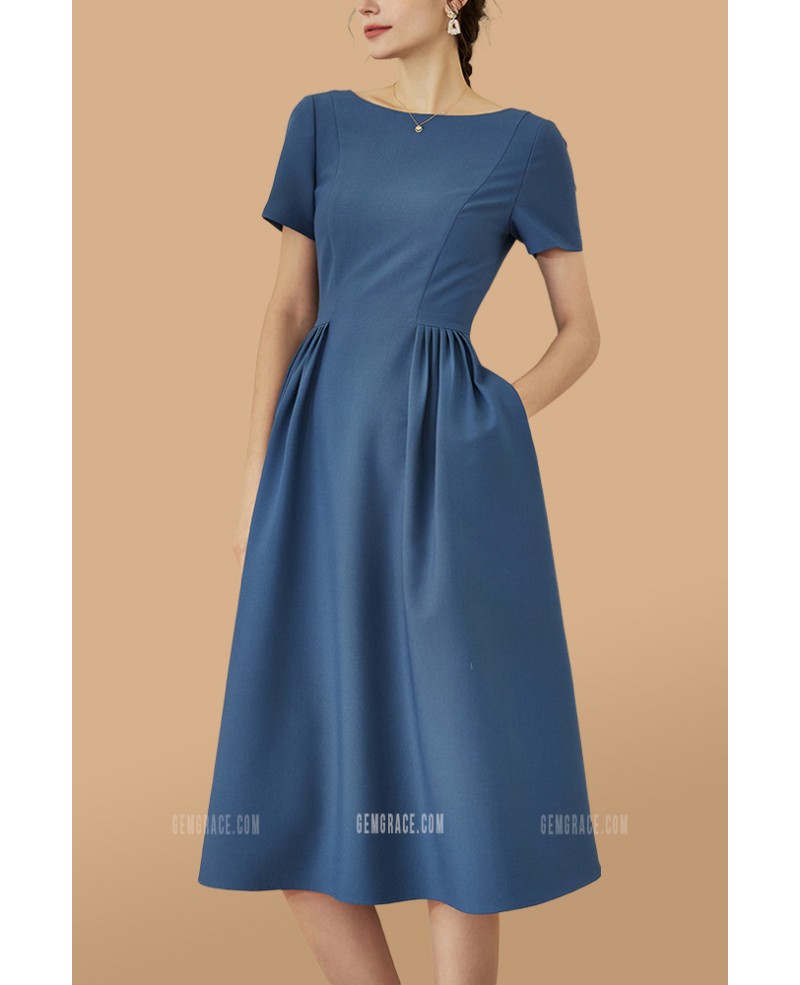
To master the semi-formal dress, one must first deconstruct its definition. Unlike the black-tie mandate of floor-length gowns or the business-formal requirement of tailored suits, semi-formal, sometimes termed “cocktail attire,” occupies a deliberate middle ground. Authoritative sources like the Emily Post Institute, a cornerstone of etiquette literature, describe it as attire that is “dressy but not overly formal.” This translates to dresses that typically fall at or just above the knee, though sophisticated tea-length or midi dresses are equally acceptable. The fabric is a key differentiator; think luxe materials like silk, chiffon, velvet, or high-quality lace that convey intention, as opposed to everyday cotton or jersey. The silhouette can range from a sleek sheath to an A-line skirt, but it generally avoids the extreme volume of a ball gown or the overt minimalism of a sundress. This dress code gained significant cultural traction in the mid-20th century, paralleling the rise of cocktail parties—a social space that demanded elegance without the strictness of full evening wear. As fashion historian Valerie Steele notes in her works published through institutions like the Fashion Institute of Technology, post-war social shifts created a need for this new, flexible category of dress, allowing for greater personal style within a framework of agreed-upon polish. Thus, a semi-formal dress is fundamentally a garment of context, designed to harmonize with events that are celebratory yet intimate, professional yet social.
Fabric and Form: The Scientific Underpinnings of Elegance
The choice of fabric in a semi-formal dress is not arbitrary; it is rooted in textile science and social psychology. Fabrics like crepe, satin, and jacquard possess specific drape coefficients and light reflectance properties that communicate formality. For instance, the subtle sheen of a silk charmeuse, resulting from its unique filament structure and weave, catches light in a way that reads as luxurious and attentive. Conversely, the matte finish of a high-quality wool crepe conveys structured sophistication. From a psychological perspective, research in enclothed cognition—a term coined by researchers Hajo Adam and Adam D. Galinsky and published in the Journal of Experimental Social Psychology—suggests that the clothes we wear directly impact our cognitive processes. Wearing a dress made of a fabric you perceive as elegant can actually enhance feelings of confidence and competence. Furthermore, the construction of the dress—its darts, seams, and lining—plays a crucial role. A well-constructed dress will follow the body’s contours without pulling or gaping, a principle emphasized in the curriculum of design schools like Parsons School of Design. This marriage of material science and tailoring ensures the dress not only looks appropriate but also allows the wearer to move and interact with unselfconscious ease, which is the ultimate hallmark of style.
Occasion-Specific Mastery: From Daytime Soirées to Evening Affairs
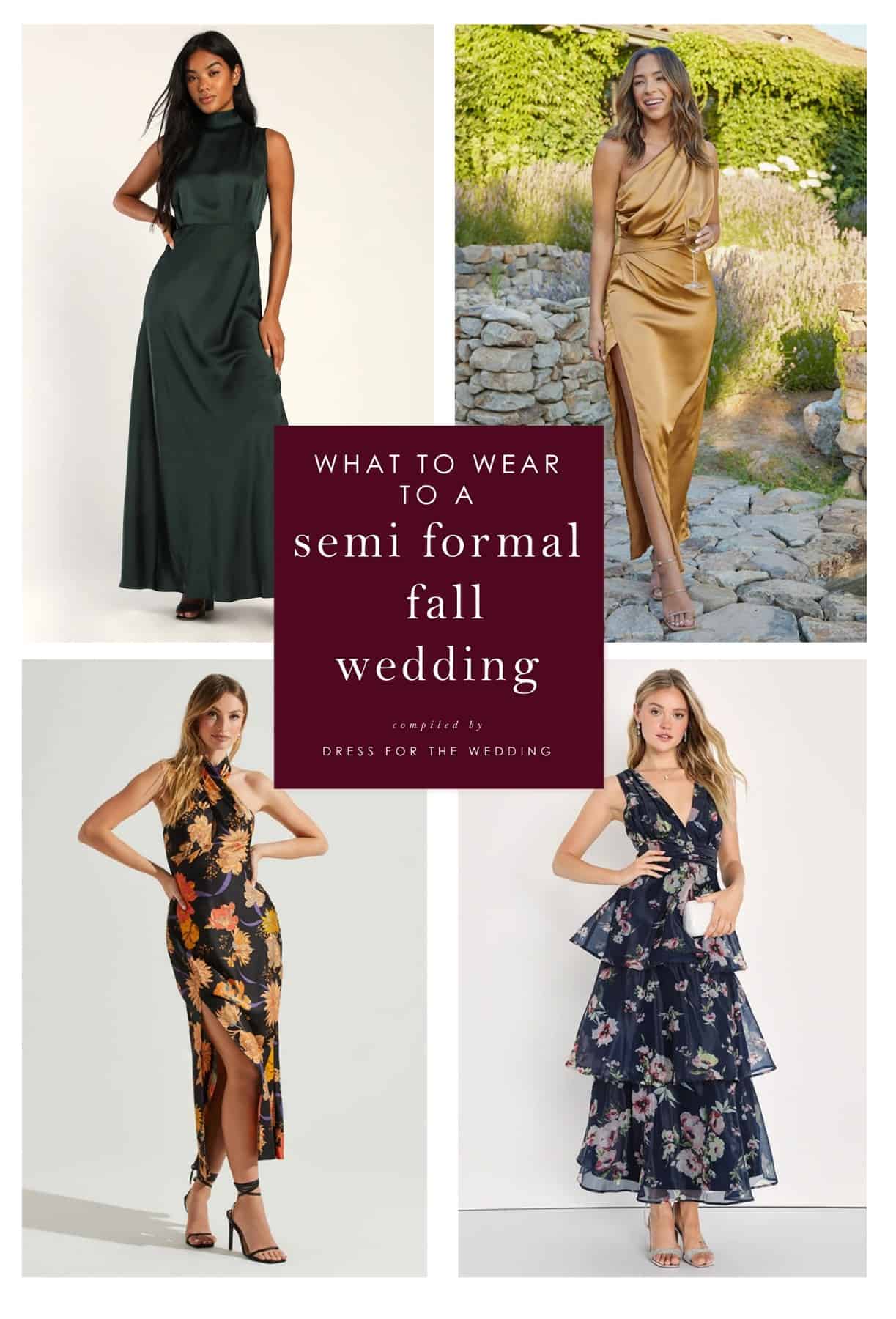
The true test of a semi-formal dress lies in its contextual application. A one-size-fits-all approach fails here; mastery requires nuanced adjustments based on time, venue, and event nature. For a daytime event, such as a brunch wedding or a garden party, opt for lighter fabrics like linen blends or floral-printed chiffon. Colors can be brighter or softer, and sleeves are often more acceptable. As renowned stylist and TV personality Tan France often advises on his platforms, “Consider the light. Daytime calls for colors that complement natural light, not compete with it.” For evening events—be it a dinner party, a theater opening, or a nighttime wedding—the palette deepens. Jewel tones (emerald, sapphire, ruby) or classic black are powerful choices. Fabrics with more luminosity, such as satin or sequined details, become appropriate as they interact with artificial lighting. The length may also lean toward a more dramatic midi or maxi. A corporate semi-formal event, like an awards dinner, demands a sharper silhouette, perhaps a tailored shift dress in a solid color, aligning with the professional environment. The key is to conduct a quick mental audit: What is the venue’s ambiance? What is the primary source of light? What is the implied formality of the invitation’s wording? Answering these allows you to select a dress that feels like a natural extension of the event itself.
The Power of Accessories and Silhouette
A semi-formal dress provides the canvas, but accessories and silhouette define the final masterpiece. The principle of balance is paramount. A dress with intricate beading or a bold neckline requires simpler, understated jewelry. Conversely, a minimalist sheath dress becomes a vehicle for statement earrings or a chunky bracelet. This concept is echoed by costume designers in cinema; for example, the iconic looks in films like Breakfast at Tiffany’s or Crazy Rich Asians demonstrate how accessories either complement or quietly contrast with the dress to create a cohesive character narrative. Regarding silhouette, understanding your body type is not about following restrictive rules, but about highlighting features you love. The universally flattering A-line dress, which cinches at the waist and flows outward, creates an hourglass illusion. A bodycon silhouette celebrates curves, while an empire waist can offer a romantic, flowing look. Resources from platforms like Wikipedia on historical fashion silhouettes show how these shapes have evolved, but their foundational flattery remains constant. The goal is to choose a silhouette that makes you feel empowered, not confined. Remember, the most elegant accessory is posture and poise, which are enhanced by wearing a dress that fits impeccably.
Curating Your Wardrobe: Investment, Care, and Sustainable Style
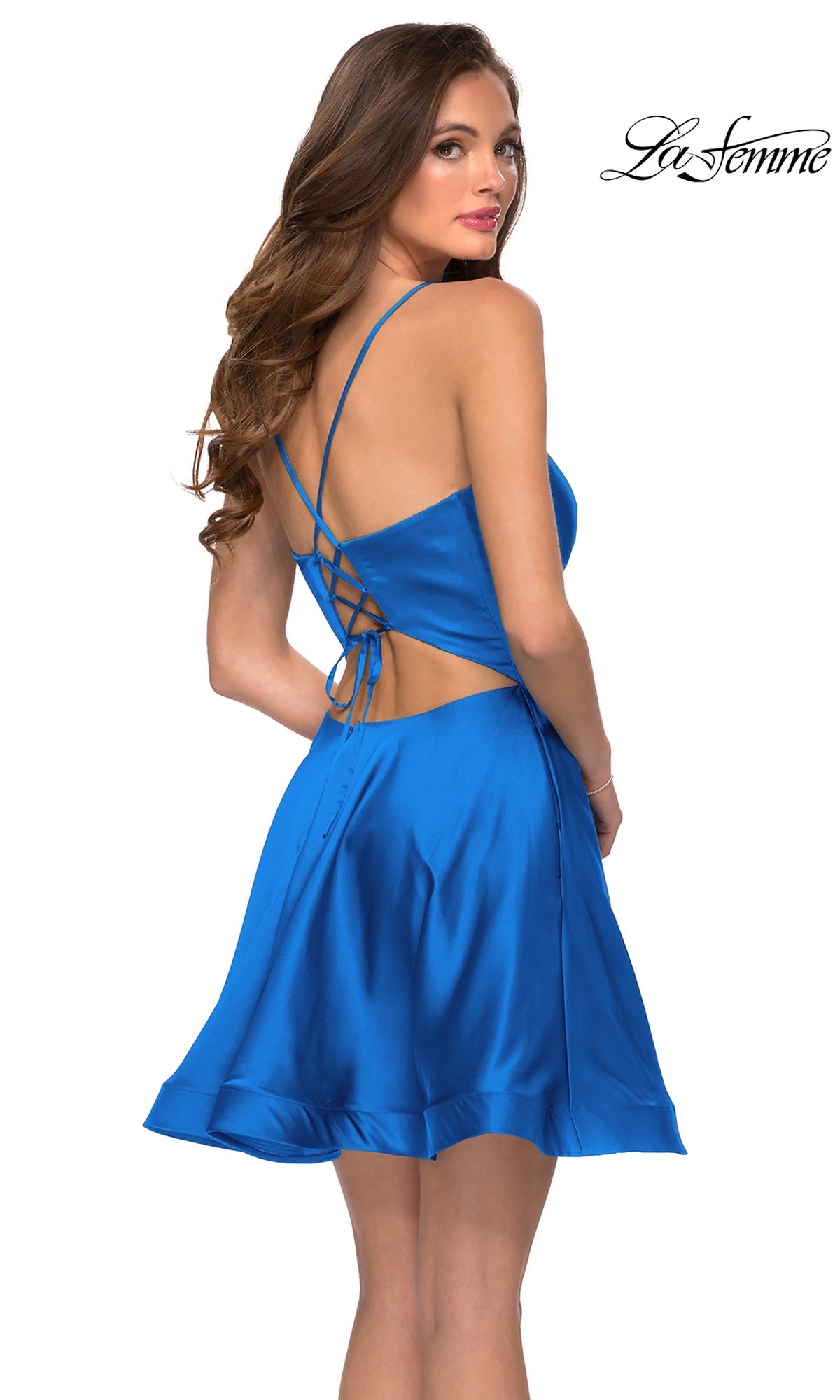
Building a capsule of go-to semi-formal dresses is an exercise in strategic investment. The fast-fashion model of buying a new, low-quality dress for every event is neither economical nor sustainable. Instead, focus on acquiring a few high-quality pieces in versatile colors and classic cuts. A little black dress (LBD) in a luxe fabric is non-negotiable, as famously championed by style icons from Audrey Hepburn to Meghan Markle. Add a dress in a rich jewel tone and another in a neutral like navy or burgundy. The professional knowledge here involves understanding cost-per-wear. A $300 dress worn ten times costs $30 per wear, while a $50 dress worn once costs $50 per wear and likely won’t survive multiple events. To bring discounted prices to users, savvy shoppers should monitor end-of-season sales from reputable brands, utilize price-tracking tools, or consider rental services for highly specific one-off events—a practice endorsed by sustainability advocates like Livia Firth. Proper care is also crucial. Always follow the garment’s care label. Investing in a good steamer over an iron for delicate fabrics, using garment bags for storage, and addressing stains immediately can extend the life of your dresses for years, making your wardrobe both elegant and ecologically conscious.
A Final Note on Personal Expression
While guidelines provide a map, personal style is the destination. The semi-formal dress code, at its best, is a framework for creativity, not a cage. It accommodates the bold pattern you love, the unique sleeve detail that catches your eye, or the vintage cut that feels uniquely you. As fashion psychologist Dr. Dawnn Karen, whose work is frequently cited in publications like Forbes, states in her “Dress to Feel” philosophy, “Your attire should be an external representation of your internal state and aspirations.” This means that within the bounds of appropriateness, your dress should resonate with your identity. Perhaps you express confidence through a sharp shoulder, romance through a lace overlay, or modernity through a minimalist cut. The mastery of semi-formal dressing is achieved when the dress feels less like a uniform and more like a second skin—one that is appropriate for the occasion yet unmistakably reflective of the individual wearing it. It is this synthesis of external expectation and internal expression that turns an outfit into an impactful personal statement.
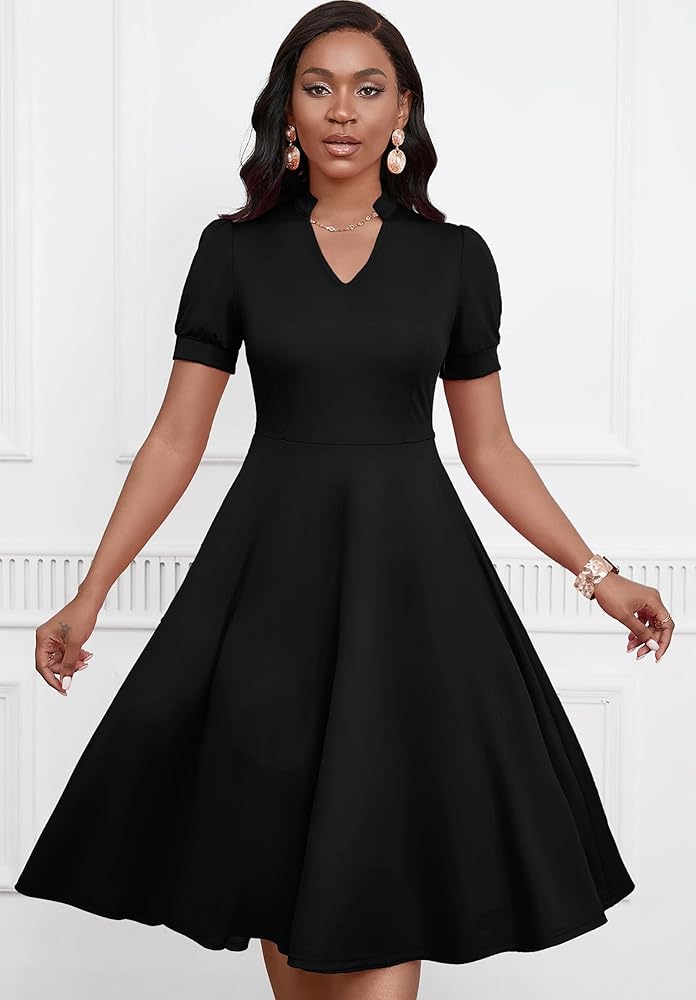
Ultimately, the journey to mastering the semi-formal dress is an ongoing dialogue between tradition and personal taste, between the event’s demands and your own comfort. It is about assembling a toolkit—comprising knowledge of fabrics, an eye for silhouette, and a sense of occasion—that empowers you to walk into any gathering with assured elegance. By viewing each semi-formal invitation not as a stressor but as an opportunity to engage with this nuanced dress code, you cultivate a style that is both adaptable and authentic, ready for every occasion that comes your way.