

Mastering the Art of Shift Dresses for Every Season
The shift dress stands as a sartorial paradox: deceptively simple in its silhouette, yet infinitely complex in its ability to adapt, empower, and define a wardrobe across the turning year. It is not merely a garment but a canvas upon which we paint our seasonal identities—a tool for navigating climate, occasion, and personal expression with effortless grace. To master the shift dress is to unlock a foundational principle of style: that true versatility lies not in a crowded closet, but in the intelligent application of a singular, perfect form. This exploration moves beyond superficial styling tips, delving into the structural, historical, and material science that makes this piece a perennial powerhouse, while bringing you professional insights and strategies for acquiring these treasures at their most advantageous prices.
The Architectural Foundation: Understanding the Shift Silhouette
Before we drape it for winter or lighten it for summer, we must understand its blueprint. The defining characteristic of a shift dress is its straight, clean line. Originating in the 1920s as a radical departure from the restrictive corseted figures of the Edwardian era, it was championed by designers like Coco Chanel and embodied the newfound freedom of the flapper. As the Victoria and Albert Museum notes, this was fashion aligning with social revolution—garments that allowed for movement and a new, androgynous silhouette. Structurally, it is built from two primary panels (front and back) with minimal shaping, often featuring darts at the bust or back for slight contouring, but never clinging to the waist or hips. This architectural simplicity is its genius. It creates a flattering, vertical line that can visually elongate the frame, a principle supported by the fashion theory of “line and direction” which suggests uninterrupted verticals enhance height and slimness. The lack of constriction means it accommodates a wider range of body types with ease, acting as a forgiving and elegant shell. From a practical standpoint, this simple construction also means the shift dress is often easier and less expensive to produce—a cost-saving that can be passed to the consumer—and simpler to alter for a perfect custom fit.
Spring: The Awakening in Lightweight Layers and Prints
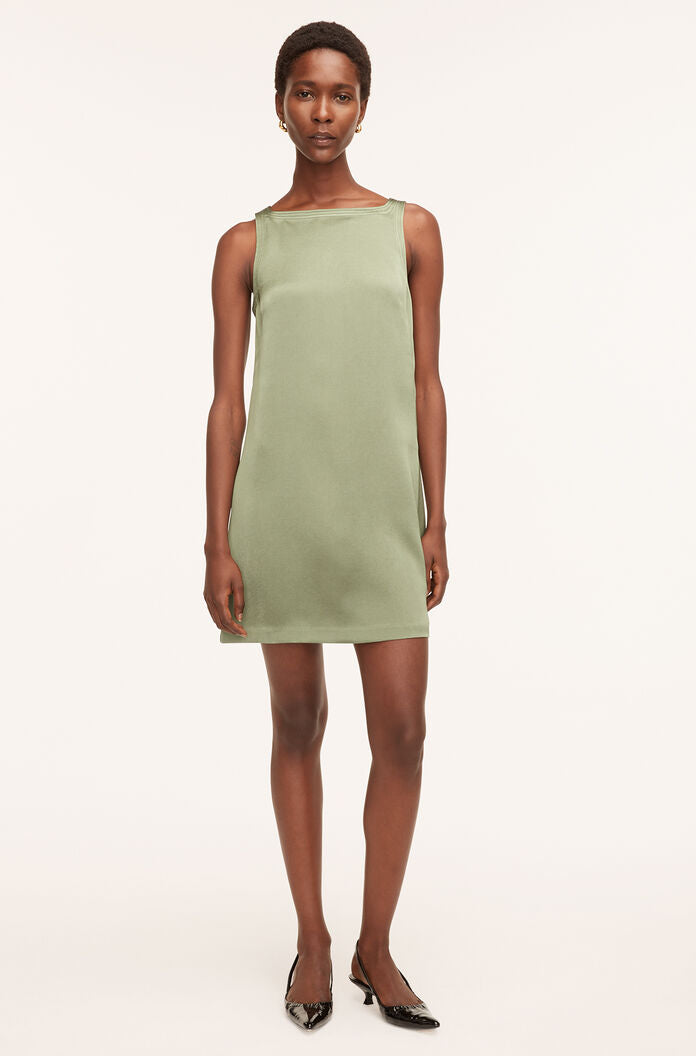
As the frost recedes, the shift dress emerges from winter hibernation in its most playful guise. Spring calls for fabrics that breathe and respond to capricious temperatures: crisp cotton poplin, fluid rayon, and soft linen blends. The key here is layering potential. A sleeveless or short-sleeved shift in a vibrant botanical print or a soft pastel becomes the core of your outfit. The objective, scientific explanation for the appeal of floral prints in spring may be linked to biophilia—our innate human tendency to seek connections with nature, a theory popularized by biologist E.O. Wilson. We are drawn to patterns that signify growth and renewal. This season is about strategic additions. A lightweight, unstructured blazer in a complementary neutral thrown over the shoulders provides polish for a sudden cool breeze. On more casual days, a simple denim jacket or a fine-gauge merino wool cardigan achieves the same balance. Footwear shifts from boots to sleek ballet flats, classic loafers, or low-block heels. The beauty of the spring shift dress lies in this transitional utility; it is a standalone statement on a warm afternoon and a perfect base layer when the evening chill descends.
Summer: Embracing Minimalism and Breathable Fabrics
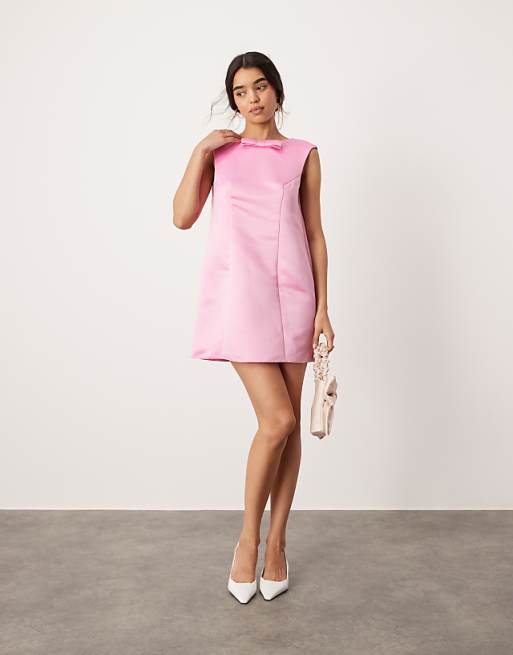
Summer is the season where the shift dress truly ascends to uniform status. The goal is maximum coolness and minimum fuss. Fabric science becomes paramount. Natural fibers like 100% linen, cotton voile, and chambray are ideal due to their hygroscopic nature—they absorb moisture (sweat) and allow it to evaporate quickly, facilitating convective cooling. As textile experts from institutions like the Fashion Institute of Technology explain, the loose weave of many linens increases air permeability, making it superior for heat dissipation. Silhouettes may shorten into playful minis or maintain a conservative knee-length, but the cut remains gloriously uncomplicated. Solid colors in white, navy, or sun-bleached stripes offer a crisp, refined look reminiscent of iconic summer style seen in films like To Catch a Thief, where Grace Kelly epitomized elegant ease. Accessories are pared down: statement sunglasses, a wide-brimmed hat for UV protection (a non-negotiable for skin health), and simple leather sandals or espadrilles. The summer shift is about the sensation of the fabric against your skin and the freedom of movement it affords—whether navigating a bustling farmer’s market or attending a garden party.
Autumn: The Art of Textural Contrast and Rich Hues
When the air turns crisp and the leaves begin their fiery transformation, the shift dress adapts through weight and texture. This is where mastery is most visibly demonstrated. Heavier fabrics come to the fore: wool crepe, thick ponte knit, corduroy, and velvet. These materials provide inherent structure and warmth. The color palette deepens to emulate the environment—forest green, burgundy, mustard, and charcoal grey. The styling pivot involves deliberate textural contrast. As style authority Hillary Kerr, co-founder of Who What Wear, has often articulated, “Texture adds a layer of sophistication and visual interest that color alone cannot achieve.” Imagine a deep emerald velvet shift dress paired with opaque tights and sleek ankle boots. Or a structured wool shift layered over a high-neck, long-sleeve turtleneck in a fine knit—a technique known as “dress layering” that extends the garment’s seasonal utility. A tailored wool coat in a complementary or contrasting color completes the look. The autumn shift is an exercise in tactile richness and layered intelligence, proving this simple shape can carry profound depth.
Winter: Strategic Insulation and Elegant Proportions
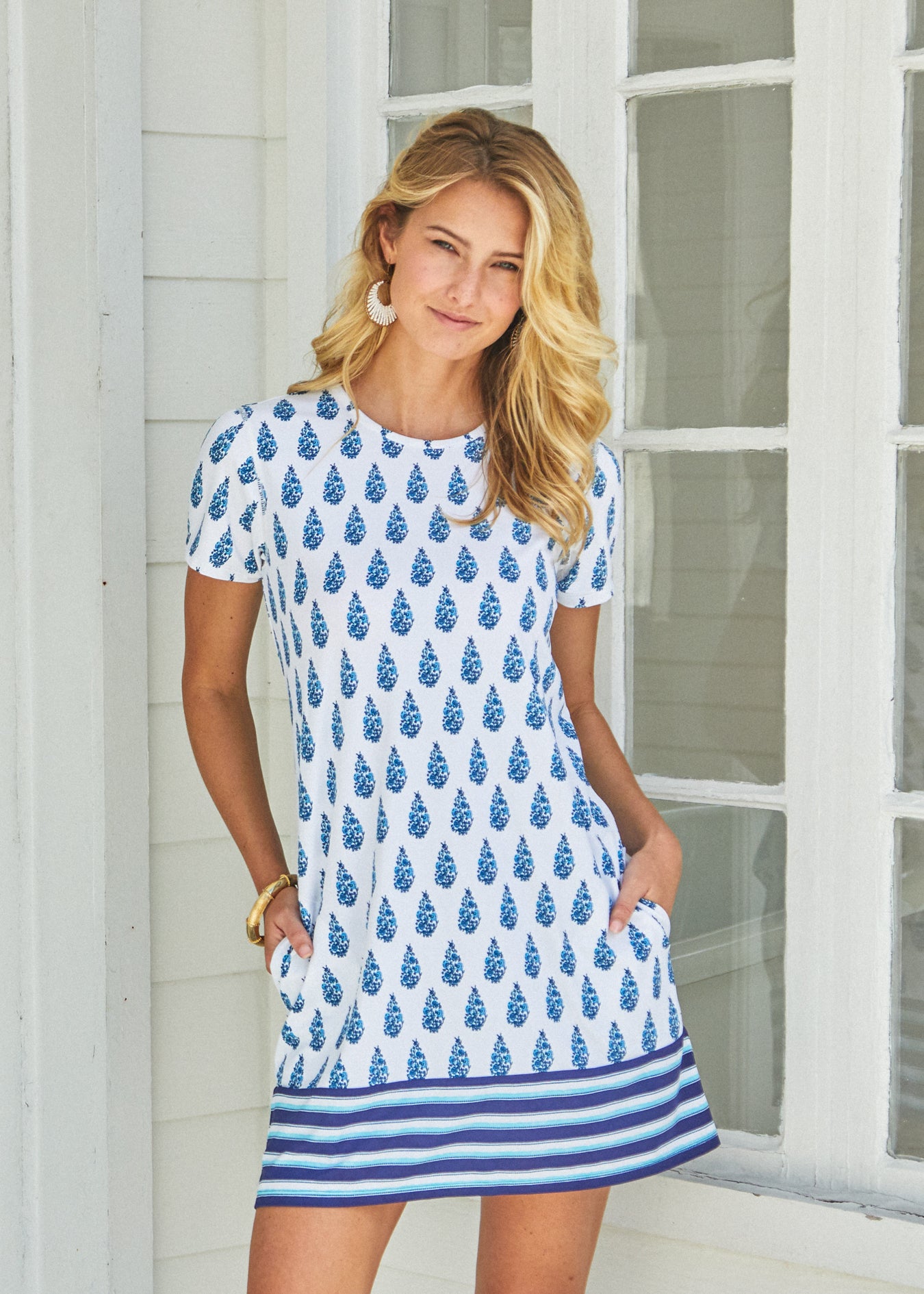
Conquering winter in a shift dress is the final test of sartorial ingenuity. It requires a shift in perspective—viewing the dress not as an outer layer, but as a sophisticated middle layer within a protective system. The foundational piece becomes a shift in a substantial fabric like melton wool, a dense cashmere blend, or a thermal knit. The principle at play is one of insulation through trapped air; the loose fit of the shift allows a buffer of warm air to circulate between the body and subsequent layers. Over this, you build. Knee-high or over-the-knee boots in leather or suede provide a seamless extension of warmth. Opaque, thermally-lined tights are essential. The final, crucial element is the coat. A long-line wool coat, a sleek puffer jacket, or a shearling-lined trench creates a proportional silhouette that is both modern and protective. As fashion historian Valerie Steele has noted, the relationship between indoor elegance and outdoor practicality has always defined winter dressing in northern climates. A statement necklace or bold earrings worn with a simple shift adds a focal point when heavy outerwear is removed indoors. The winter shift is about clever engineering, maintaining a line of elegance beneath the necessary bulk of cold-weather gear.
The Intelligent Acquisition: Building Your Shift Dress Arsenal
Mastery involves not only wearing but also acquiring wisely. A curated collection of three to five high-quality shift dresses in foundational fabrics (a crisp cotton, a summer linen, an autumn wool, a winter knit) will serve you better than a dozen trendy, poorly-made alternatives. Focus on impeccable construction: straight seams, secure hems, and durable zippers or closures. To bring professional knowledge on discounted prices to you, understand the retail calendar. The best times to invest are during end-of-season sales (late January for winter, late July for summer) and major holiday sales events. Sign up for newsletters from your favorite brands for early access and exclusive promo codes. Consider pre-owned luxury platforms for access to high-end fabrics like St. John knits or classic Chanel shifts at a fraction of the retail price. Remember, the cost-per-wear of a perfectly fitting, versatile shift dress that lasts for years is invariably lower than that of a fast-fashion impulse buy. As sustainable fashion advocate Elizabeth L. Cline argues in her book Overdressed, investing in fewer, better things is not only economically sound but ecologically responsible.
The shift dress is more than a item of clothing; it is a philosophy of dressing. It champions ease over effort, intelligence over excess, and timelessness over transience. By understanding its architectural roots and applying a seasonally-minded, scientifically-informed approach to fabric and layering, you transform a simple shape into a year-round repertoire. It is the garment that waits patiently in your closet, ready to be re-contextualized with a change of accessory, layer, or shoe—a testament to the enduring power of clean design and thoughtful application. Begin with one perfect shift, and you begin to master the art of your entire wardrobe.