

How to Style a Sherri Hill Dress for Every Glamorous Occasion
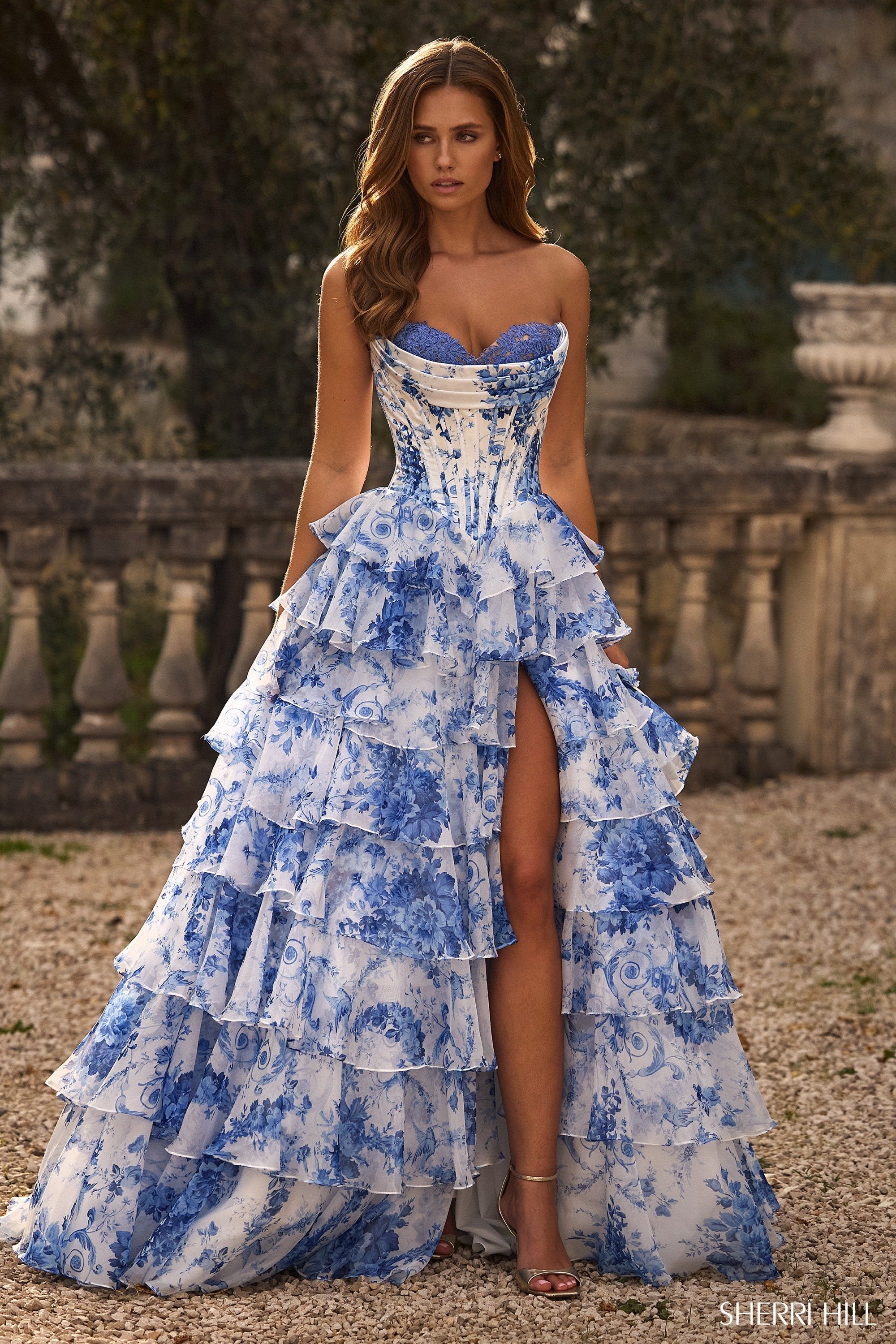
Stepping into a Sherri Hill dress is an experience in itself. It’s not merely about putting on a garment; it’s about donning a piece of engineered glamour, a confidence catalyst designed for the spotlight. The brand, synonymous with prom, pageantry, and red-carpet moments, creates dresses that are architectural marvels in tulle, sequins, and silk. But the true magic lies not just in the dress’s inherent beauty, but in how you, the wearer, become its ultimate stylist. This guide moves beyond generic advice, delving into the objective principles of style, color theory, and personal psychology to unlock the full potential of your Sherri Hill dress for any event that demands radiance.
The Foundation: Understanding Your Dress’s Architecture
Before accessorizing, one must become an astute observer of the dress itself. Every Sherri Hill dress is built with intentionality. Is it a fitted mermaid silhouette, an A-line ballgown, or a sleek sheath? The silhouette dictates the “lines” you will either complement or contrast. For instance, a voluminous ballgown, what fashion historians often cite as evolving from the 18th-century robe à la française, carries a regal, expansive energy. Adding overly large accessories can clutter this grandeur. Conversely, a minimalist column dress provides a clean canvas, begging for bold statement pieces. Furthermore, analyze the texture and embellishment. A dress already densely covered in sequins or intricate beading—reminiscent of the Art Deco opulence seen in films like The Great Gatsby—requires a subtler hand with jewelry. The key scientific principle here is visual weight distribution, a concept central to design theory taught at institutions like the Parsons School of Design. Your goal is to create a harmonious balance where no single element overwhelms the other, allowing the wearer to shine as the cohesive centerpiece.

Color Psychology and Strategic Accentuation
Color is not merely decorative; it is communicative. The hue of your Sherri Hill dress sets a non-verbal tone. Drawing from color theory principles used by marketers and artists alike, we can strategize. A classic black dress, the uniform of timeless chic as famously endorsed by Audrey Hepburn and Coco Chanel, speaks of sophistication and power. Styling it invites either a monochromatic masterpiece (think varying textures of black) or a stark, dramatic pop of color like ruby red or emerald green. A pastel dress, such as blush pink or mint green, often evokes softness and romance. To avoid being overshadowed by this gentleness, introduce metallic accents—silver with cool-toned pastels, gold with warm ones—to add necessary definition and light reflection. For the bold jewel-toned dress—sapphire blue, amethyst purple—the dress itself is the statement. Here, accessories should act as elegant framing, not competition. Opt for metallic tones that match the dress’s undertones or consider the achromatic elegance of pearls, which, as noted on the Gemological Institute of America’s educational resources, possess a unique luster that complements without clashing with strong colors.

The Alchemy of Accessories: Curating, Not Collecting
Accessories are the punctuation marks to your sartorial sentence. The mistake many make is treating them as a collection of favorite items rather than a curated selection for a specific purpose. Let’s break it down objectively. First, jewelry: A plunging neckline or off-the-shoulder bodice, common in Sherri Hill designs, creates a beautiful expanse of skin. This is the ideal stage for a necklace, but its length and volume must be meticulously chosen. A sweetheart neckline often pairs perfectly with a pendant or a delicate choker, following the neckline’s curve. A high halter neck, however, typically requires no necklace, shifting focus to dramatic earrings. As celebrity stylist Kate Young often advises in interviews, “Your jewelry should answer a question the dress asks.” Second, the clutch and shoes: These are functional art pieces. Their color should either seamlessly match a secondary color in the dress or provide a sophisticated neutral bridge. A metallic sandal can elongate the leg line, while an embellished clutch held in the hand adds a point of moving sparkle. Remember the principle of odd numbers in styling—grouping accessories in threes (e.g., earrings, ring, clutch detail) is often more visually dynamic than even pairings, a trick borrowed from classical composition in visual arts.
From Pageant Stage to Gala Night: Context is King
A Sherri Hill dress is versatile, but its styling must be context-aware. The requirements for a national pageant differ vastly from a charity gala or a formal wedding. For the pageant stage, under bright, directional lighting, the styling often leans toward higher contrast and defined glamour to ensure visibility and impact from the last row. This might mean stronger makeup contours and jewelry that catches light efficiently. As former Miss Universe Pia Wurtzbach once noted in a YouTube tutorial, “On stage, everything is amplified. Your sparkle needs to reach the judges.” For a black-tie gala, the ambiance is one of refined luxury. Here, the styling can afford more subtlety and nuance. A single, exquisite piece of heirloom jewelry may carry more narrative weight than a full set of new sparklers. The goal shifts from “being seen” to “being admired upon closer inspection.” For a formal wedding where you are a guest, the paramount rule is to respect the couple’s spotlight. A stunning Sherri Hill dress is already a head-turner; styling should therefore be elegant but perhaps slightly subdued in the accessory department to avoid any misperception of upstaging. It’s a nuanced dance of self-expression and situational awareness.

Beauty Synchronization: Hair and Makeup as Extensions of the Dress
Your hair and makeup are not separate entities; they are the final, crucial layers of your total look. They should synchronize with the dress’s era, spirit, and neckline. An elaborate, beaded 1920s-inspired flapper dress calls for a corresponding aesthetic: perhaps a sleek bob, smoky eyes, and a deep lip, echoing the glamour of the Jazz Age. A soft, ethereal tulle gown with floral appliqués might be perfectly complemented by loose, romantic waves and a dewy, natural makeup palette, a style frequently showcased by brands like Charlotte Tilbury, emphasizing “lit-from-within” skin. The neckline is your guide. An updo—whether a chic chignon or a voluminous upstyle—magnificently exposes the shoulders and collarbones, ideal for strapless or one-shoulder designs. It creates a clean, elegant line and provides a “canvas” for statement earrings. Down hairstyles offer movement and softness, beautifully framing the face and balancing more structured or severe dress silhouettes. This isn’t mere opinion; it’s a principle of visual framing taught in portrait photography, where the hairstyle directs the viewer’s eye to the subject’s key features.
The Inner Layer: Confidence and Practical Preparations
All the external styling is for naught without the foundational inner layer: confidence and practical preparation. The right undergarments are the unsung heroes. They should be invisible, seamless, and provide the necessary support to allow the dress’s silhouette to sit perfectly, as intended by the designer. This often involves specialized shapewear or adhesive bras, a category that has seen significant technological advancement for comfort and discretion. More importantly, confidence is the ultimate accessory. It’s the intangible element that transforms a woman wearing a dress into a woman commanding a room. This isn’t just motivational speaking; psychological studies, such as those referenced on platforms like Quora by behavioral experts, discuss the concept of “enclothed cognition”—how our clothing affects our psychological processes. A gown that makes you feel powerful can genuinely alter your posture, demeanor, and interaction. Practice moving in your dress. Sit, walk, dance. Know its weight, its sweep. This familiarity breeds comfort, and comfort is the bedrock of authentic confidence. When you feel secure and prepared, your radiance becomes innate, not applied.
Acquiring Your Glamour: A Note on Value and Accessibility
Investing in a designer Sherri Hill dress is an investment in a moment and a memory. While the brand is positioned in the special occasion luxury market, savvy shopping can make this dream more accessible. Authorized retailers often host trunk shows or seasonal sales, particularly after peak prom and pageant seasons. Additionally, considering pre-loved dresses from reputable consignment platforms or rental services for a one-time event can be a brilliant, budget-conscious strategy that also aligns with sustainable fashion practices—a growing concern noted in literature from fashion institutes like FIT. The key is to prioritize authenticity and condition. The value lies not just in the label, but in the quality of construction, the originality of the design, and the transformative experience it provides. Pairing this smart acquisition with the thoughtful styling principles outlined here ensures that your investment yields maximum return in poise, presence, and unforgettable photographs.
Ultimately, styling a Sherri Hill dress is a personal journey in aesthetic intelligence. It’s a process of becoming both the artist and the masterpiece. By understanding the dress’s design language, applying principles of color and balance, respecting the occasion’s context, and grounding it all in prepared confidence, you do more than just get dressed. You craft an persona, tell a visual story, and step into your moment with the assured grace that true glamour demands. The dress is your starting point, but your choices—curated, intentional, and informed—complete the narrative.