

Mastering Semi-Formal Dresses for Every Occasion
Navigating the world of dress codes can often feel like deciphering an ancient, unspoken language. Among the most commonly cited, yet frequently misunderstood, is “semi-formal.” It occupies that elegant middle ground between the relaxed nature of casual wear and the strict grandeur of black-tie attire. The key to unlocking a versatile and confident wardrobe lies in truly mastering the semi-formal dress. This isn’t about memorizing a single, rigid rule; it’s about understanding a set of principles that allow for personal expression while remaining appropriate for a wide spectrum of events. From garden weddings and cocktail parties to sophisticated dinners and gallery openings, a well-chosen semi-formal dress is your most reliable sartorial companion. This guide will move beyond vague suggestions, offering objective frameworks, historical and social context, and actionable style knowledge to empower your choices, ensuring you feel impeccably dressed for any occasion that calls for this elegant standard.
Deconstructing the Semi-Formal Code: More Than Just “Fancy Casual”
The term “semi-formal” itself requires dissection. In the hierarchy of Western dress codes, as often outlined by etiquette authorities and institutions like the Emily Post Institute, it sits distinctly below “formal” or “black tie” but decidedly above “business casual” or “casual.” Historically, its roots can be traced to early 20th-century social changes, where rigid formal wear began to relax for certain evening events. A semi-formal dress, therefore, is not merely a “nice dress,” but one that adheres to specific, though flexible, parameters of length, fabric, and silhouette. The confusion often arises because context is king. A dress suitable for a daytime semi-formal wedding may differ from one for an evening semi-formal fundraiser. The core principle, as echoed by fashion historians and stylists, is polished sophistication without overt opulence. It’s the dress that says you’ve made a significant effort, that you respect the host and the event, but you are not trying to upstage the bride or mimic a red-carpet premiere. Think of it as the sartorial equivalent of a perfectly crafted speech: thoughtful, articulate, and suited to its audience.
The Architectural Elements: Silhouette, Fabric, and Length
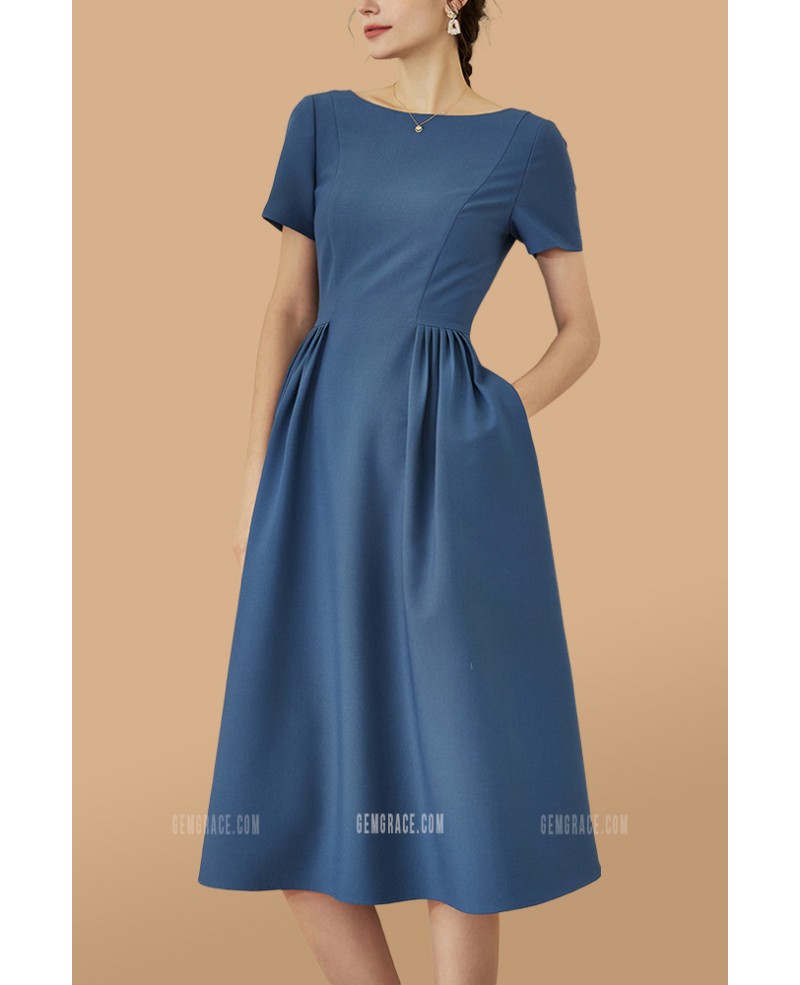
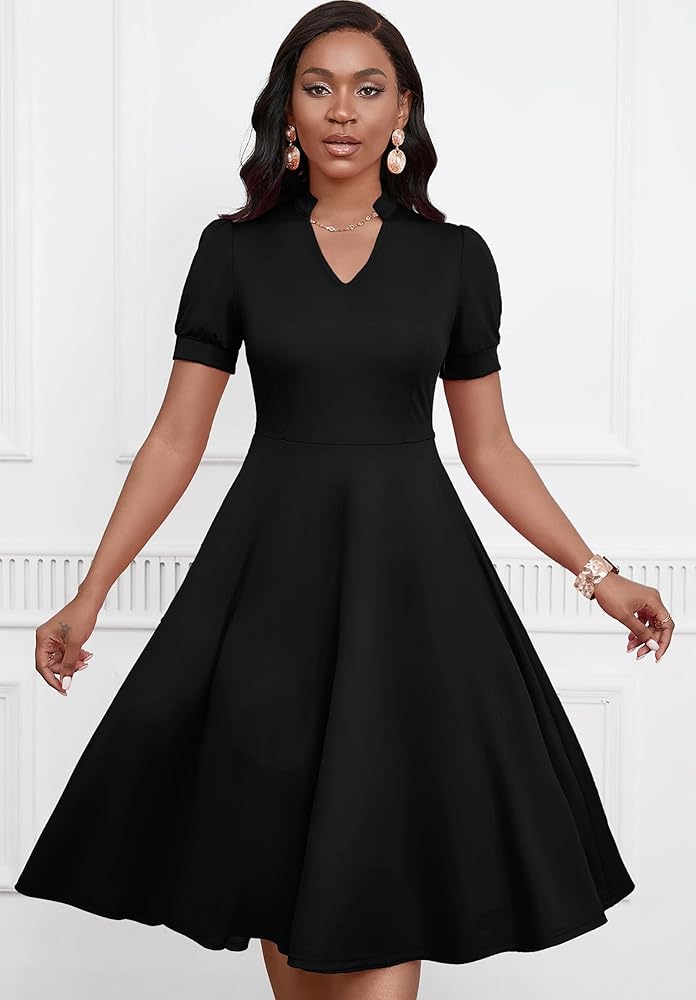
To build a foolproof semi-formal dress, you must understand its architectural components. Let’s start with silhouette. This refers to the overall shape the dress creates on your body. Popular and universally flattering silhouettes for semi-formal occasions include the fit-and-flare (fitted bodice with a flaring skirt), the sheath (a narrow, straight cut that follows the body’s lines), and the A-line (fitted at the shoulders and bust, then gradually widening). The elegance of these silhouettes lies in their balance; they are structured without being restrictive, feminine without being fussy. Next, fabric is a critical differentiator. Semi-formal dictates fabrics that convey quality and drape beautifully. Think crepe, silk blends, chiffon, lace overlays, high-quality jersey, or velvet for cooler months. These fabrics move with you, catch the light elegantly, and avoid the casual connotations of cotton t-shirt material or stiff, cheap polyester. As for length, the classic standard is knee-length to midi (calf-length). A knee-length dress is perennially appropriate, while a midi-length dress often reads as more modern and sophisticated. Mini dresses can venture into semi-formal territory if executed with refined fabrics and details, but they tread a fine line and are highly dependent on the specific event’s vibe. The maxi dress, while often associated with casual beachwear, can be semi-formal when rendered in a luxe fabric like silk satin or with intricate embellishment.
The Palette and Pattern Play: Communicating Through Color
Color choice in a semi-formal dress is a powerful tool for non-verbal communication and is deeply influenced by color theory, a field studied in art schools and design programs worldwide. For daytime semi-formal events, lighter hues, pastels, and vibrant jewel tones are excellent choices. They reflect the natural light and feel celebratory yet fresh. For evening, the palette traditionally deepens. Navy, emerald, burgundy, and classic black become dominant. Black, in particular, is a cornerstone of semi-formal evening wear. As fashion luminary Coco Chanel famously demonstrated with her little black dress, it is the epitome of chic, versatile simplicity. However, don’t feel confined. The modern interpretation of semi-formal welcomes bold patterns when scaled and styled appropriately. A tasteful floral print, a geometric art deco pattern, or even subtle animal print can elevate a dress, provided the base silhouette and fabric remain refined. The key is to avoid overly loud, cartoonish, or beach-themed prints, which detract from the required sophistication. Your color and pattern should complement the event, not clash with it.
Occasion-Specific Mastery: From Weddings to Corporate Galas
The true test of mastering semi-formal attire is applying the principles to specific scenarios. Each event carries its own subtle nuances. For a semi-formal wedding, especially if you are a guest, the primary rule is to avoid white or any shade that could photograph as white (ivory, champagne). It’s the bride’s day to shine. A knee-length or midi dress in a jewel tone or elegant print is perfect. Consider the venue: a garden wedding might call for softer fabrics and florals, while a hotel ballroom wedding leans toward more structured silhouettes and richer colors. For cocktail parties, the name is almost synonymous with semi-formal. Here, you can often embrace a slightly more playful or fashion-forward edge—think interesting necklines, metallic threads, or unique textures. The length is typically firmly in the knee-to-midi range. For a professional setting like a corporate gala or award dinner, opt for understated elegance. A sleek sheath dress in a solid, powerful color like navy or burgundy projects confidence and competence. The goal is to look polished and professional, not like you’re heading to a nightclub. Remember, when in doubt, it is always better to be slightly overdressed than underdressed; it shows respect for the event’s hosts and organizers.
The Synergy of Accessories and Footwear
A semi-formal dress provides the canvas, but accessories and footwear complete the masterpiece. This is where personal style shines brightest within the framework. The golden rule is balance. If your dress is simple and minimalist, you can make a statement with bold jewelry—a chunky necklace or dramatic earrings. If the dress itself is detailed with beading, lace, or a busy pattern, opt for delicate, understated jewelry to avoid visual clutter. The handbag should be elegant and proportionate; a small clutch or structured mini-bag is almost always a better fit than a large, slouchy tote. Footwear is non-negotiable in elevating the look. Closed-toe pumps, elegant sandals (strappy or block-heeled), or sophisticated wedges are all excellent choices. The height of the heel should be something you can comfortably wear for the duration of the event. As stylist and author Stacy London often emphasizes, “Your shoes and bag are the punctuation marks of your outfit.” They can turn a simple sentence into a compelling declaration. Avoid overly casual footwear like flip-flops, sneakers, or chunky platform boots, as they instantly dismantle the semi-formal aesthetic you’ve carefully built.
Cultivating a Cost-Effective Semi-Formal Wardrobe
Building a collection of go-to semi-formal dresses need not bankrupt you. The savvy dresser understands that investment is about cost-per-wear and timelessness, not just the price tag. Start by identifying one or two versatile silhouettes that you feel most confident in—perhaps a classic black sheath and a colorful fit-and-flare. These become your wardrobe anchors. From there, you can expand with seasonal pieces or bolder choices. To acquire these pieces cost-effectively, consider end-of-season sales at major retailers, where high-quality pieces can be found at significant discounts. Online consignment and rental services have also revolutionized formal and semi-formal wear, offering access to designer labels at a fraction of the retail price for a one-time event. Furthermore, don’t underestimate the power of a good tailor. A $100 dress that fits you perfectly will always look more expensive and appropriate than a $500 dress that gaps or bunches. As Tim Gunn, former co-host of Project Runway, famously advised, “The number one important thing in fashion is fit.” Prioritizing fit and fabric quality over fleeting trends ensures your semi-formal dresses remain relevant and wearable for years, maximizing your style investment.
The Final Check: Confidence is the Ultimate Accessory
After all the rules, guidelines, and recommendations are considered, the single most important element you wear is your own confidence. A semi-formal dress that you feel unsure or uncomfortable in will betray you, no matter how technically correct it is. The process of mastering semi-formal wear is ultimately about self-knowledge. It’s about understanding which colors make your skin glow, which silhouettes celebrate your shape, and which fabrics feel wonderful against your skin. When you step into an event feeling authentically yourself within the bounds of the dress code, that assurance radiates outward. It transforms an outfit from mere clothing into a form of personal expression and social grace. You are no longer just following instructions; you are wielding an understanding of style as a tool for engagement and enjoyment. So, the next time an invitation arrives with those two words—”semi-formal”—see it not as a constraint, but as an invitation to explore and express a facet of your elegance. Arm yourself with these principles, make choices that resonate with your personal aesthetic, and walk in with the quiet certainty that you are impeccably and appropriately dressed for the moment.
