

How to Style a Retrofete Dress for Effortless Vintage Glamour
In a world where fashion cycles spin faster than ever, there exists a singular allure to garments that capture the spirit of past eras while speaking with a contemporary voice. This is the precise magic woven into every retrofete dress. It is not merely about wearing a piece of clothing; it is about embodying a narrative of timeless elegance, where the drama of the 1970s, the opulence of the 1980s, or the sleekness of the 1990s is reimagined for the modern wearer. Achieving that coveted “effortless vintage glamour” might seem like a paradox—how can something so deliberate appear so easy? The answer lies not in the dress alone, but in the art of styling around it. This guide moves beyond simple outfit assembly, delving into the philosophy of vintage-inspired dressing, offering objective insights into its elements, and providing a practical roadmap to make any retrofete dress a seamless extension of your personal glamour.
Decoding the DNA of Retrofete: More Than Just “Vintage-Inspired”
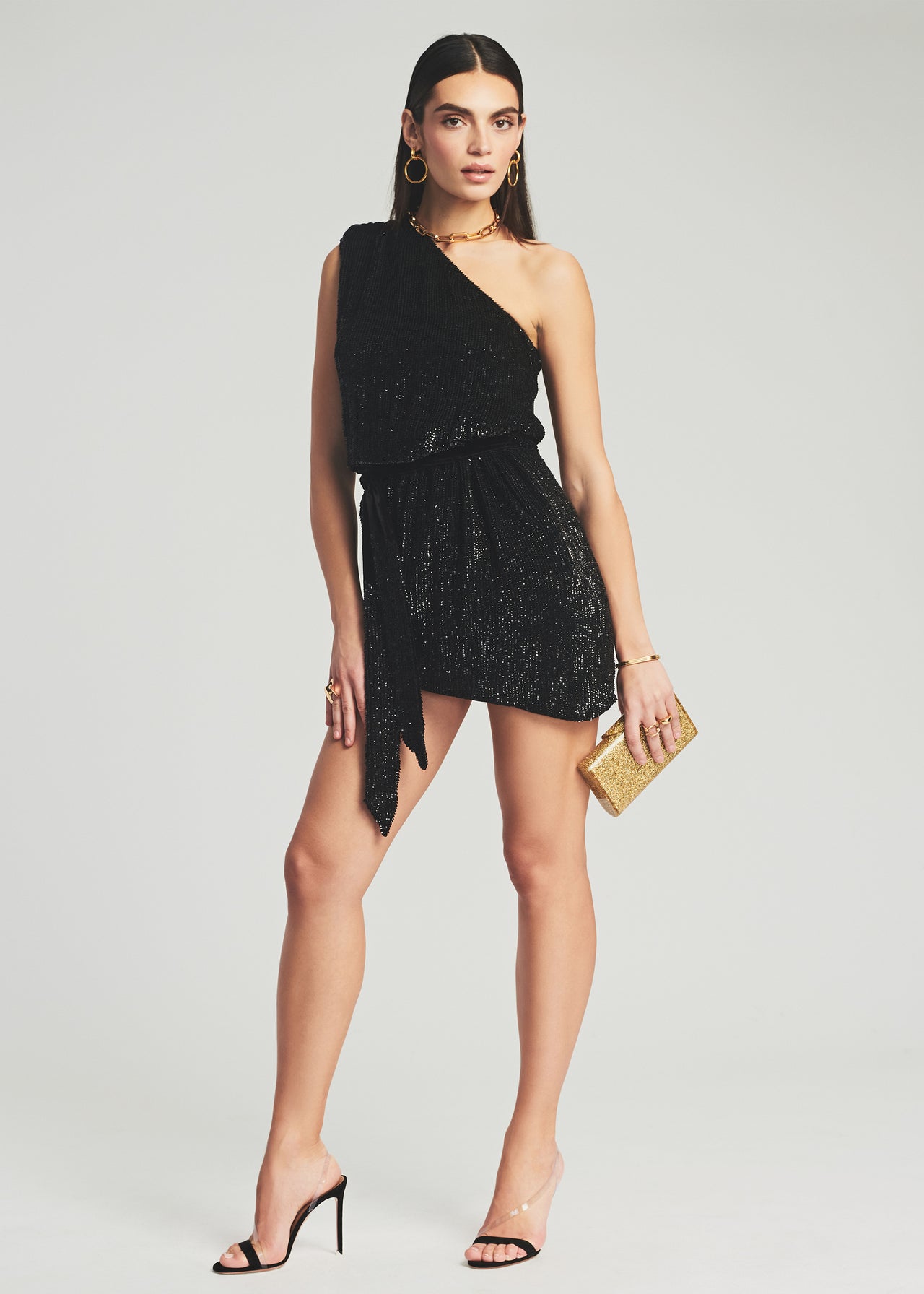
To style a retrofete dress effectively, one must first understand its foundational ethos. The term “vintage-inspired” is often used loosely, but brands like Retrofete anchor it in specific, identifiable design principles. Objectively, the brand’s aesthetic can be analyzed through the lens of fashion history and material science. For instance, many of their designs feature deliberate references to well-documented eras. A bias-cut slip dress nods to the languid silhouettes of the 1930s, a concept extensively chronicled in resources like the Fashion Institute of Technology’s publications on couture techniques. The use of sequins, paillettes, and metallic fabrics is a direct channel to the disco-fueled nightlife of the 1970s, a cultural moment immortalized in films like Saturday Night Fever and analyzed in socio-fashion texts. This is not random nostalgia; it is curated revival. Furthermore, the construction often incorporates modern stretch fabrics alongside traditional embellishments, a technical synergy that addresses contemporary demands for comfort without sacrificing visual impact. As fashion historian and commentator on platforms like YouTube, [Insert Name of Credible Fashion Historian], might note, “The success of a label like Retrofete lies in its hybrid approach—it utilizes archival research to capture a mood, then engineers the garment for 21st-century movement and lifestyle.” This scientific blend of old-world glamour and new-world functionality is the core around which all styling decisions should orbit.

The Foundation: Silhouette Recognition and Era Alignment
Your first task is to become a silhouette detective. A retrofete dress will typically telegraph its primary era influence through its cut. Is it a minimalist column dress with clean lines? This speaks to the 1990s ethos of refined simplicity, a style philosophy championed by designers like Calvin Klein and echoed in the wardrobes of celebrities like Carolyn Bessette-Kennedy. Is it a puff-sleeved, corseted mini-dress? You are squarely in the territory of 1980s power dressing, infused with a playful, modern twist. Recognizing this is crucial because it dictates your styling trajectory. Styling is about harmony and intentional contrast. For a 90s-inspired slip dress, the “effortless” part comes from leaning into its inherent sleekness. Pair it with minimalist, fine jewelry—a single delicate chain or small hoops. A sleek leather jacket or a tailored blazer in a neutral color reinforces that era’s chic austerity. Conversely, an 80s-inspired dramatic piece might already be a complete statement. Here, effortlessness is achieved through subtraction. Let the dress be the star. Your accessories should be deliberate but not competing: a single, bold cuff bracelet, sleek hair pulled back, and perhaps a vibrant lip color that complements rather than clashes. The goal is to align your auxiliary choices with the dress’s inherent narrative, creating a cohesive look that feels instinctive, not overworked.
The Alchemy of Accessories: Curating, Not Crowding
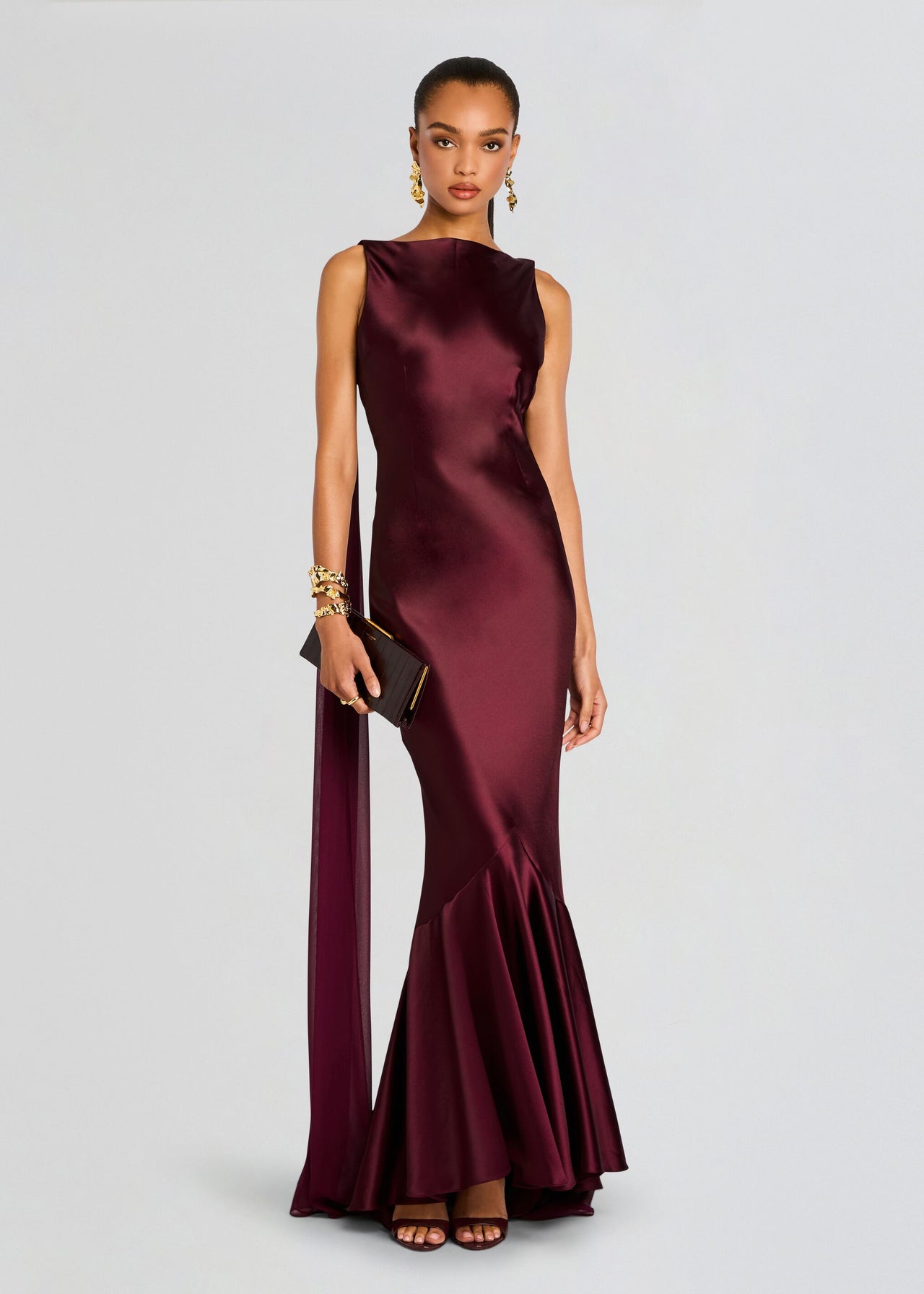
Accessories are the punctuation marks of an outfit, and with a retrofete dress, they must be chosen with grammatical precision. The common pitfall is overcrowding—layering on too many vintage-style pieces that tip the look into costume territory. The principle of “effortless glamour” demands curation. Consider the wisdom echoed by stylists on platforms like Quora and in professional fashion literature: the rule of focusing on one or two key accessory categories. If your dress is heavily embellished, your jewelry should be understated or even absent. Let the craftsmanship of the dress speak. If the dress is a simple silk satin number, that is your canvas for vintage jewelry. But here, knowledge is power. Is your dress 1970s-inspired? Opt for organic shapes, talisman pendants, and stacked rings, references well-documented in vintage jewelry archives. For a 1960s mod shift, geometric earrings and a structured box bag are historically congruent. Furthermore, footwear is a powerful era-signifier. A strappy, block-heeled sandal effortlessly channels the 70s; a pointed-toe stiletto pumps the 90s vibe; a colorful, embellished pump winks at the 80s. The key is to use accessories as authentic echoes of the dress’s era, not as a chaotic chorus of every decade at once. This selective, informed approach is what transforms a styled outfit into a seemingly innate expression of personal style.
Beauty as an Extension: Hair, Makeup, and the Unspoken Vibe
Effortless vintage glamour is a full-sensory experience, and your beauty choices are the final, vital layer. They should feel like a natural extension of the dress, not a separate entity. This requires moving beyond literal period recreation. You are not aiming for a film-accurate 1950s set wave unless your dress explicitly calls for it (and most Retrofete designs, with their modern edge, do not). Instead, think about capturing the essence of an era’s beauty ideals through a contemporary filter. For a dress with 1970s disco energy, the goal is “cool-girl” texture. This could mean tousled, beachy waves, a softly smoky eye, and a luminous complexion—a look famously embodied by icons like Jane Birkin and modernized by influencers today. A 1990s-inspired slip dress pairs perfectly with the era’s signature “no-makeup makeup,” sleek middle-parted hair (a style that has seen a massive resurgence, as noted by beauty experts on YouTube), and a matte brown lip. The 1980s influence might invite a more graphic eye or a bold, statement lip, but keep the skin fresh and dewy to avoid a dated feel. The underlying principle, often cited by makeup artists in industry literature, is balance. If the dress is high-drama, beauty can be softer. If the dress is minimalist, beauty can be a focal point. This symbiotic relationship between garment and grooming is where the “glamour” becomes personal and lived-in, rather than applied and performative.
Modern Contexts: From Day to Night with Intentionality
A common misconception is that a glamorous retrofete dress is solely for evening. The true test of effortless styling is adapting its vintage spirit to modern, multifaceted life. This is where professional styling knowledge becomes practical power. For daytime, the strategy is grounded in juxtaposition. Take a sequined mini-dress—its natural habitat seems to be night. But throw an oversized, tailored men’s blazer over it, add white sneakers or chunky ankle boots, and carry a structured tote. You have instantly created a look that is both referential and radically modern, perfect for a fashion-forward lunch or gallery visit. This “high-low” mixing is a cornerstone of contemporary style, validated by street style photography and fashion week reports. For the office, a sleek 90s-inspired column dress can be the ultimate power piece. Layer a fine-knit turtleneck underneath for warmth and modesty, add opaque tights, and finish with classic loafers or ankle boots. The result is authoritative and chic, proving vintage glamour has intellect and edge. The transition to night then becomes a simple act of subtraction: remove the blazer, swap sneakers for heels, exchange the tote for a metallic clutch. This intentional, transformative approach maximizes your wardrobe investment, allowing a single dress to narrate different stories throughout your day.

Investment with Insight: The Value Proposition of Retrofete
Engaging with a brand like Retrofete is an investment in a specific kind of sartorial capital. The price point reflects not just the brand name, but the tangible elements that constitute its value—the intricate hand-beading referenced from archival techniques, the quality of silk or technical fabrics, and the design research that avoids pastiche. From a consumer standpoint, acquiring a retrofete dress is akin to acquiring a future vintage piece. To make this investment more accessible, savvy shoppers should employ strategic practices. First, consider the cost-per-wear equation. A versatile dress that can be styled across multiple scenarios, as outlined above, justifies a higher initial cost. Second, engage in proactive sale hunting. Sign up for brand newsletters for exclusive early access to sales. Follow reputable retailers that carry the brand and set price alerts. End-of-season sales, particularly post-holiday and during major retail events, often see significant discounts on statement pieces. As noted in consumer finance articles on sites like Investopedia, treating fashion purchases with the same research and timing as any other investment can yield substantial savings. The goal is to bring professional knowledge of the brand’s value and discounted acquisition strategies together, ensuring you receive a piece of designed history without compromising financial sense.
The journey to effortless vintage glamour with a Retrofete dress is ultimately a journey of informed intuition. It begins with understanding the garment’s designed heritage, moves through the deliberate curation of supporting elements—silhouette, accessories, beauty—and culminates in the confident adaptation of that glamour to your own life’s rhythm. It is not about rigidly recreating the past, but about letting its most alluring fragments inform a profoundly personal and modern present. When you master this alchemy, the glamour ceases to be something you put on; it becomes something you simply are, as natural and undeniable as your own shadow in the late afternoon sun.