

Mastering Semi-Formal Dresses for Every Occasion
Navigating the world of event attire often feels like deciphering an ancient code. “Cocktail,” “business casual,” “black-tie optional”—each term conjures a specific image, yet the lines between them can blur. Among these, the semi-formal dress stands as a uniquely versatile and frequently misunderstood cornerstone of a modern wardrobe. It is not merely a compromise between casual and formal; it is a distinct category with its own rules, freedoms, and expressive potential. This guide moves beyond simple definitions to explore the philosophy, science, and art of the semi-formal ensemble, providing you with the knowledge to command this style with confidence for any event on your calendar.
The Anatomy of a Semi-Formal Dress: Beyond the Dictionary Definition
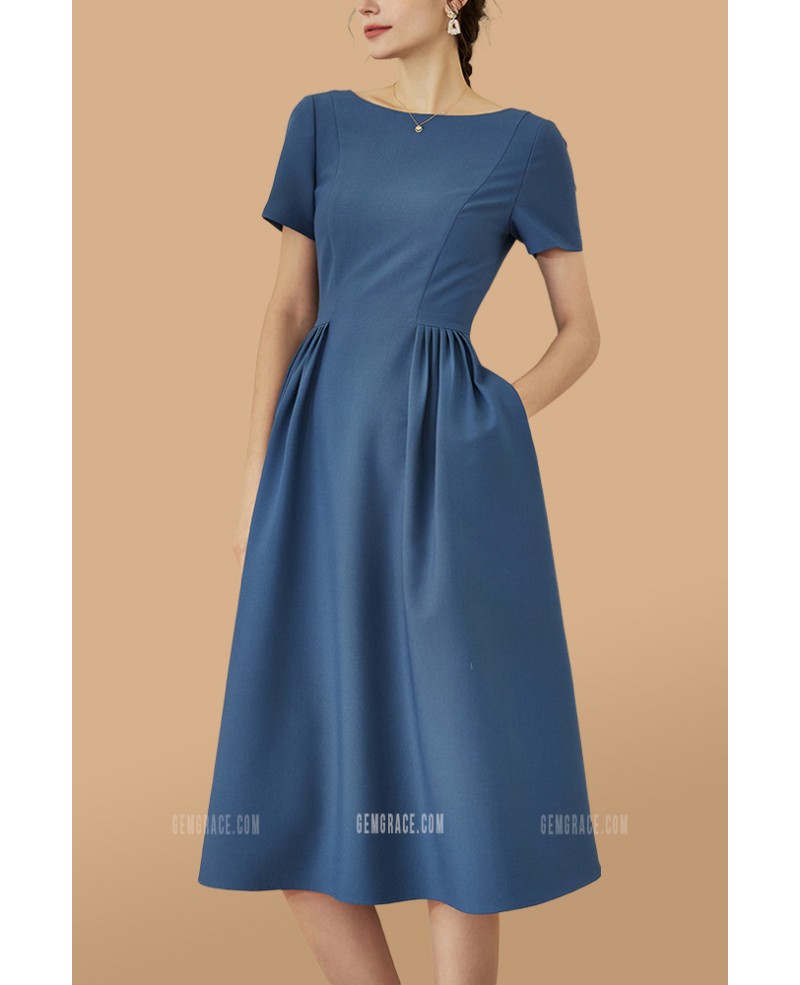
To master the semi-formal dress, we must first deconstruct its essence. Objectively, semi-formal, often used interchangeably with “cocktail” attire for women, occupies the sartorial space between daytime business wear and full evening formal. According to resources like Wikipedia and various fashion institutes, its hallmarks include knee-length or tea-length hemlines, refined fabrics like silk, chiffon, lace, or high-quality jersey, and a cut that is elegant without being overtly revealing. However, the scientific explanation lies in social psychology. Dr. Carolyn Mair, a behavioral psychologist and author of “The Psychology of Fashion,” notes that clothing functions as a non-verbal communication tool, signaling our understanding of social contexts and our desired role within them. A semi-formal dress communicates respect for the occasion’s significance—be it a wedding, a gallery opening, or an awards dinner—while allowing for personal identity to shine through. It says, “I acknowledge the importance of this gathering, and I bring my authentic self to it.” This balance is its true power, a concept echoed in the teachings of fashion schools like Parsons School of Design, which emphasize context-aware design.
Decoding the Invitation: Your First Strategic Move
Your journey begins not in the closet, but with the invitation. The stated dress code is your primary data point, but it requires intelligent interpretation. “Semi-formal” at a Silicon Valley tech product launch may lean towards sleek, minimalist shifts, while the same term for a Southern garden wedding invites florals and softer silhouettes. Cross-reference this with other clues: venue, time of day, and season. An evening event at a museum naturally calls for more sophistication than a late-afternoon brunch celebration. Furthermore, consider the cultural or industry context. As Tim Gunn, fashion consultant and co-host of “Project Runway,” famously advises, “Make it work!”—which includes making your outfit work for the specific social ecosystem you’re entering. Leverage platforms like Quora or Reddit’s fashion communities, where real people share experiences from specific event types. For instance, a query about “semi-formal attire for a law firm holiday party” will yield more targeted, practical advice than any generic guide. This research phase is non-negotiable; it transforms guesswork into a strategic style decision.
The Five Pillars of a Flawless Semi-Formal Selection
With context understood, building your look rests on five foundational pillars. First, Silhouette and Fit: This is paramount. A well-fitted dress, whether it’s a sheath, an A-line, or a fit-and-flare, flatters your unique form. The golden rule, often cited by stylists on platforms like YouTube, is to highlight your favorite feature. Second, Fabric and Texture: This dictates the dress’s formality and seasonal appropriateness. Velvet and brocade whisper “winter soirée,” while linen-blends and cotton shantung speak of summer elegance. Third, Color and Pattern: While the classic Little Black Dress is a failsafe, do not be afraid of color. Jewel tones convey richness, pastels offer softness, and a sophisticated geometric or floral pattern can be incredibly striking. Fourth, Hemline and Sleeve: The knee-length rule is a strong guideline, not an absolute law. A midi dress can be perfectly semi-formal. Sleeves—whether cap, three-quarter, or long—add versatility and can modulate the dress’s formality. Fifth, Detailing and Embellishment: Strategic details like a statement neckline, subtle beading, or an interesting back design elevate a simple cut. As fashion icon Iris Apfel has declared, “More is more and less is a bore,” but in semi-formal, the key is edited, intentional detail.

From Day to Night: The Transformative Power of Accessories
A semi-formal dress is a chameleon, and its transformation is directed by your accessories. This is where you inject potent personal flair. Begin with footwear: a classic pump is universally authoritative, a strappy sandal leans romantic, and a chic block heel offers modern comfort. Your bag should be compact and elegant—a clutch or a small structured purse. The true alchemy, however, happens with jewelry. Here, you can follow the wisdom of Coco Chanel’s often-referenced advice to look in the mirror and remove one piece before leaving. Statement earrings can carry the look, allowing you to forgo a necklace. Alternatively, a delicate necklace and bracelet combo can provide a polished finish. Consider, too, the transformative power of outerwear. A tailored blazer instantly adds a professional edge, while a luxurious faux fur stole or a delicate lace shawl introduces drama and warmth. This layered approach not only adapts your look for different segments of an event but also represents a smart investment, maximizing the utility of your core semi-formal dress.
Occasion-Specific Mastery: Applying the Principles
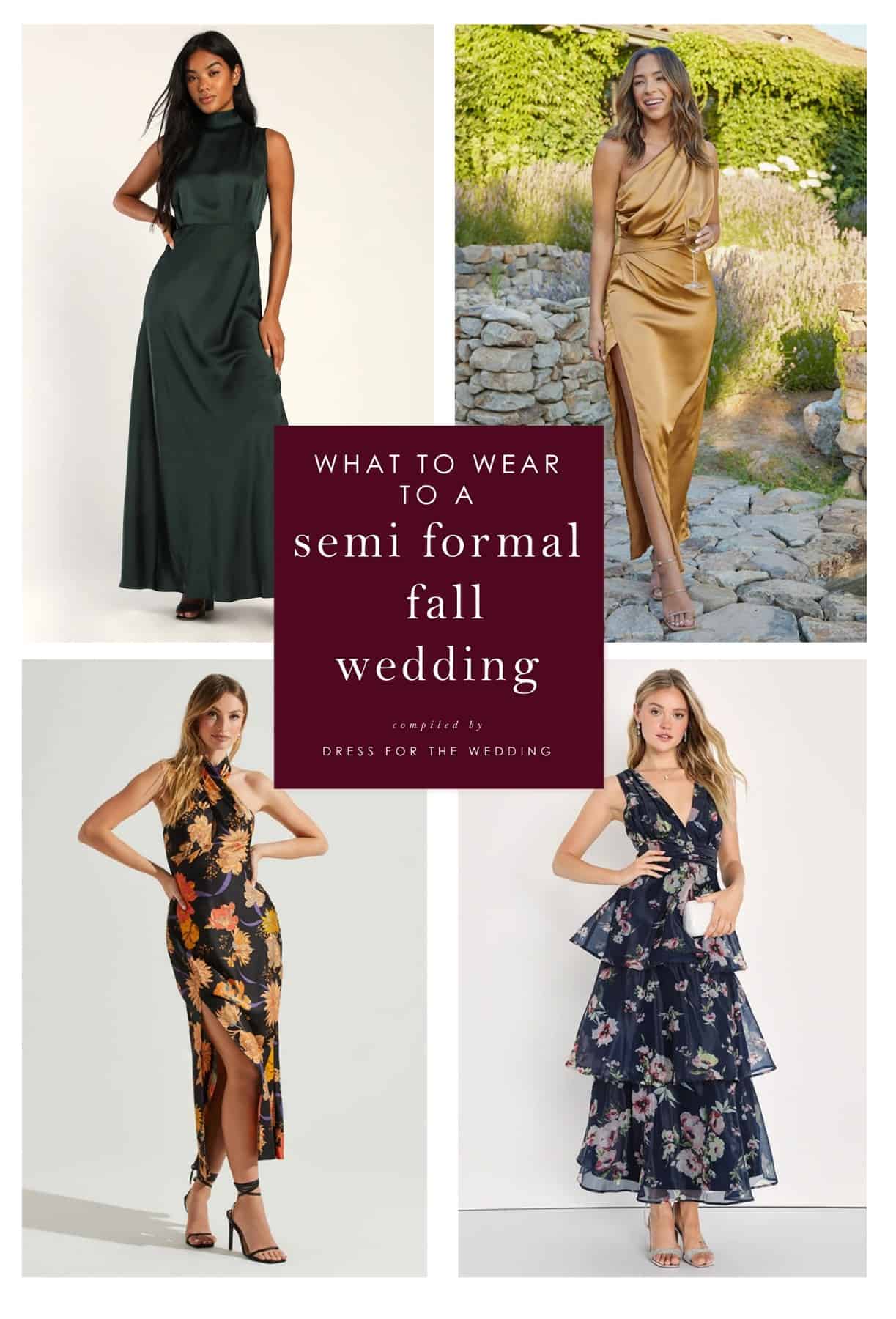
Let’s apply these principles to concrete scenarios. For a semi-formal wedding, especially an evening one, elegance is key. A lace midi dress or a satin slip dress with a tailored wrap would be exemplary. As numerous wedding blogs and sites like “Bride’s” magazine suggest, avoid white or anything overly bridal. For a semi-formal business event like a conference gala, power and polish take precedence. A structured sheath dress in a solid color, perhaps with a peplum detail or interesting seam work, projects confidence. Literature from Harvard Business School often touches on the correlation between perceived authority and tailored, professional attire. For a semi-formal holiday party, you have license for sparkle and richer textures. A velvet dress or one with subtle sequin detailing captures the festive spirit. The underlying thread is intentionality—each choice should feel like a conscious part of a cohesive whole, a concept explored in books like “The Curated Closet” by Anuschka Rees.
Investment and Intelligence: Building a Sustainable Wardrobe
Mastery is not about owning countless dresses, but about strategic acquisition. View your semi-formal dress collection as a portfolio. Invest in two or three high-quality, versatile foundational pieces in neutral colors or timeless prints. These are your workhorses. Then, supplement with trend-driven or statement pieces acquired at a more accessible price point. This is where bringing discounted prices and value to the user becomes crucial. Utilize end-of-season sales, reputable discount retailers, and rental services like Rent the Runway for one-off events. The professional knowledge here is in fabric care and tailoring. A $100 dress that fits you perfectly after a $25 alteration will always look superior to a $300 dress that hangs poorly. Learning basic garment care—proper steaming, storage, and stain treatment—extends the life and beauty of your pieces exponentially, making your fashion choices both economically and environmentally smarter.
The Final Touch: Confidence as the Ultimate Accessory
All the objective knowledge, scientific rationale, and sourced advice culminate in one intangible element: your own confidence. A dress, no matter how perfectly selected, is merely fabric until you animate it with your posture, your smile, and your self-assurance. This viewpoint is championed by countless style figures, from the poised Michelle Obama to the irreverent Billy Porter. In her various public appearances, Obama has demonstrated how confidence transforms attire into a statement of presence. When you step into your chosen semi-formal dress, you are not just wearing an outfit; you are embodying a role—the engaged guest, the respected professional, the celebratory friend. That embodiment is what truly masters the occasion. It turns following rules into expressing personal style, and it ensures that you are remembered not just for what you wore, but for the compelling person you are within it.
