

Stunning Styles for Your Magical Night
As the anticipation for that enchanted evening builds, the quest for the perfect ensemble becomes a central narrative. This isn’t merely about selecting a garment; it’s about curating an experience, a confidence, and a memory that will be photographed and reminisced upon for years. The right dress acts as your armor and your muse, transforming you into the protagonist of your own fairy tale. In this exploration, we move beyond fleeting trends to understand the artistry, psychology, and science behind a truly stunning prom look. We’ll dissect elements from color theory to fabric dynamics, grounding our advice in objective perspectives while weaving in the magic that makes the night uniquely yours. From the subtle power of a sage green prom dress to the architectural drama of a silhouette, every choice tells a part of your story.
The Psychology of Color: More Than a Hue
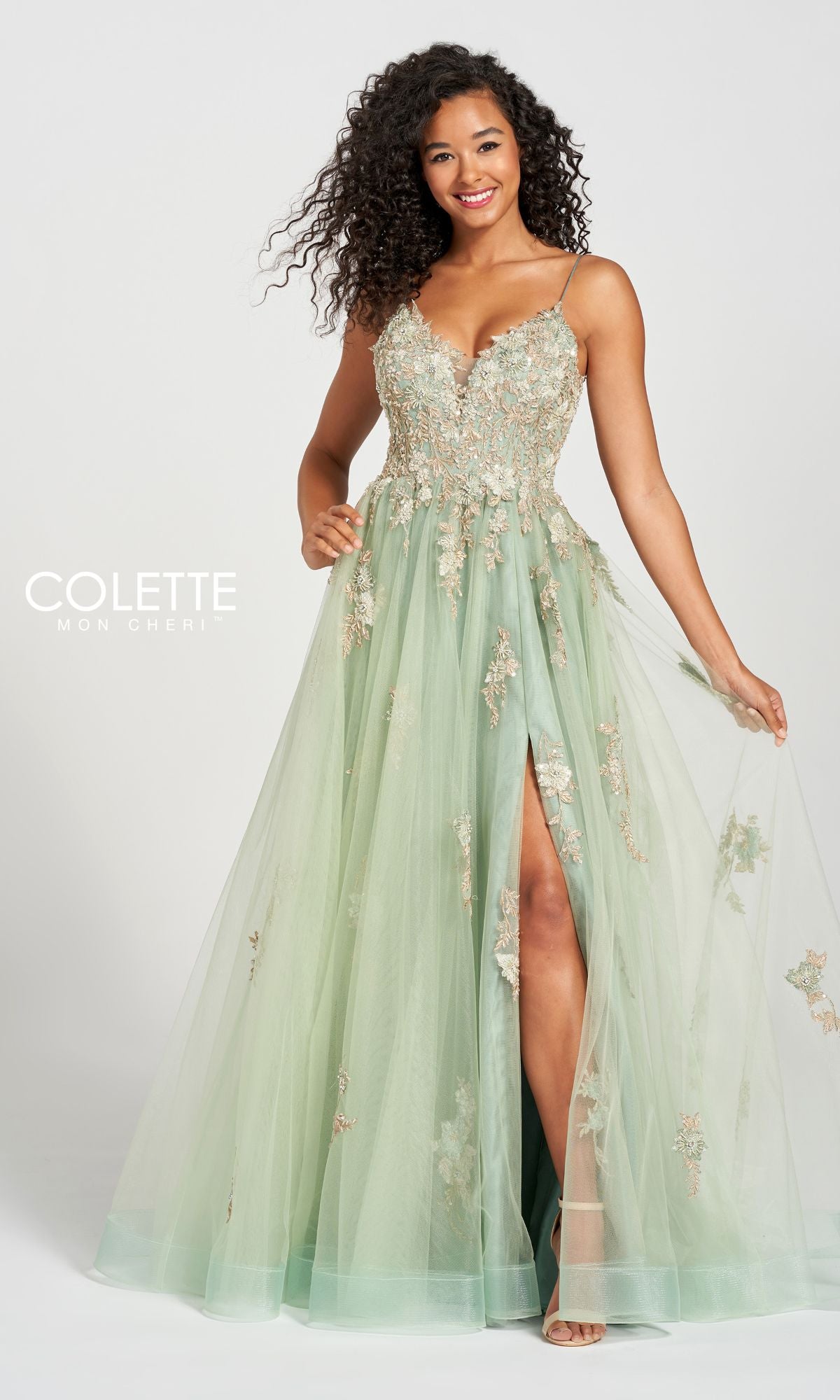
Before a single stitch is considered, color sets the stage. It communicates mood, influences perception, and can even alter your own sense of self. The science of color psychology, studied extensively by institutions like the Pantone Color Institute and referenced in marketing and design literature from universities such as Stanford, reveals that colors evoke specific emotional and physiological responses. For instance, blues and greens are often associated with calm, stability, and renewal—a refreshing departure from more traditional prom palettes. This is where the sage green prom dress emerges as a sophisticated powerhouse. Sage green, a muted, grayish-green tone, carries the tranquility of nature with a refined, earthy elegance. It suggests wisdom, peace, and a grounded confidence. As noted in various design philosophies cited on platforms like Wikipedia and Quora, green occupies a unique space in the spectrum, being restful for the eyes and often associated with balance and harmony. Choosing a dress in this hue isn’t just a fashion statement; it’s a strategic selection of an aura. It stands out in a sea of blacks and reds not through loudness, but through serene, compelling presence. It complements a wide range of skin tones, adding a healthy, luminous glow without overpowering. When you step out in a sage green prom dress, you’re not just wearing a color; you’re embodying a mindset of poised, natural grace that is both timeless and distinctly modern.
Silhouette as Architecture: Building Your Form
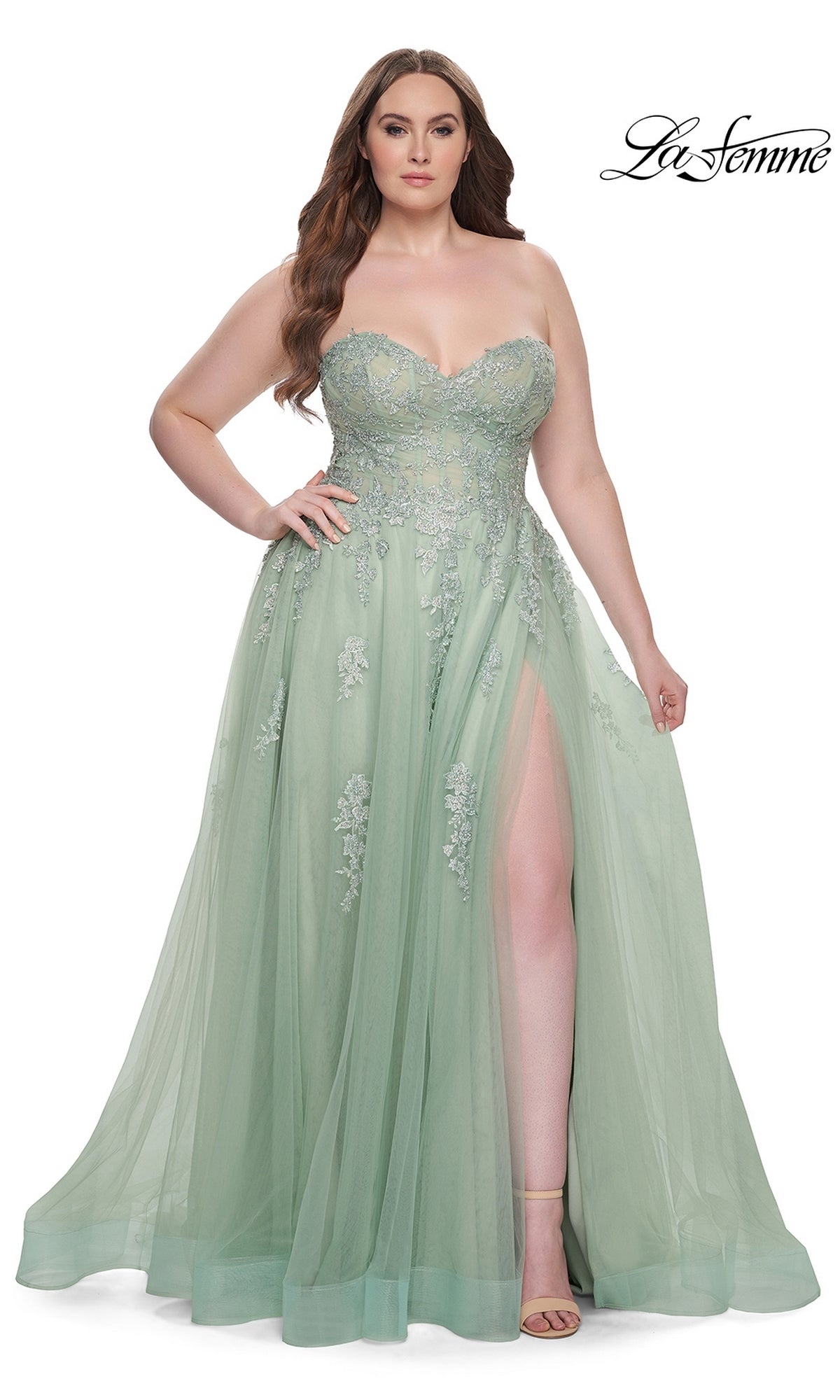
The silhouette is the architecture of your dress, the foundational structure that defines its shape against your body. Understanding this is key to finding a gown that doesn’t just fit, but flatters and empowers. Renowned fashion historians and designers, from the late Coco Chanel to contemporary voices like Tim Gunn, have emphasized that clothing is about proportion and balance. A well-chosen silhouette works with your body’s geometry to create a harmonious, aesthetically pleasing line. Consider the empire waist, which cinches just below the bust and flows downward. This style, popularized in the Napoleonic era and often discussed in historical fashion literature, is universally flattering as it elongates the torso and skims over the midsection. Conversely, a mermaid or trumpet silhouette, which hugs the body from chest to knee before flaring out, celebrates curves and creates a dramatic, hourglass effect—a style frequently showcased on red carpets and analyzed in fashion media. The A-line, a classic born from Christian Dior’s “New Look” in 1947, creates a gentle, triangular shape that narrows at the waist and widens towards the hem, offering elegance and ease of movement. When you try on dresses, you are not just assessing “looks”; you are engineering your desired visual impact. Does the silhouette highlight your strengths? Does it allow you to move, dance, and breathe with confidence? This architectural approach removes the subjectivity of “pretty” and introduces the objectivity of design, ensuring your dress is built for the night’s demands.

The Alchemy of Fabric and Texture
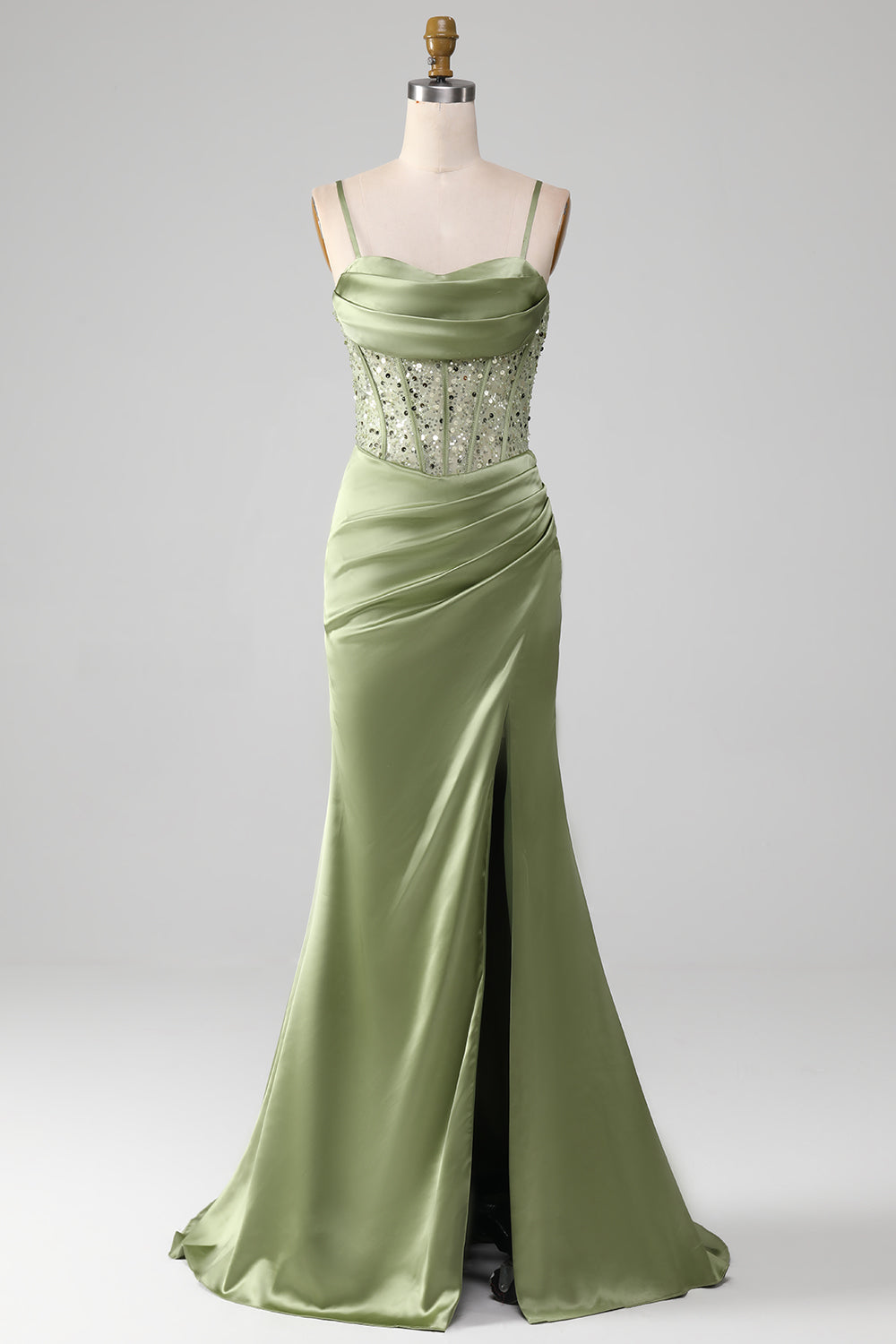
If color is the soul and silhouette the bones, then fabric is the skin and texture is the personality of your dress. The materials used are not passive; they interact with light, movement, and touch to create a multisensory experience. Scientifically, fabrics have different physical properties—drape, sheen, weight, and elasticity—that directly affect the gown’s behavior. Satin, a weave characterized by a glossy surface and a dull back, reflects light in a smooth, liquid way, creating a luxurious and body-conscious effect. Chiffon, a lightweight, sheer plain-woven fabric, offers a ethereal, floating quality but often requires layers for opacity. Velvet, with its dense pile, absorbs light, giving a rich, depth-filled color and a tactile, regal feel perfect for a winter prom. Tulle, the netting often used for skirts and overlays, provides volume and structure, creating fairy-tale fullness. The choice here is profoundly practical as well as aesthetic. As any seasoned event-goer on forums like Quora will attest, the fabric dictates comfort. A heavy beaded gown may be stunning but consider your endurance over five hours of dancing. A sleek silk charmeuse might feel divine but could be less forgiving. A sage green prom dress in flowing chiffon evokes a woodland nymph, while the same hue in structured satin feels like old Hollywood glamour. Texture adds another dimension: beading, embroidery, lace appliqués, or pleating catch the light dynamically, creating a living, shimmering effect as you move. This alchemy—the right fabric and texture for your color and silhouette—is what transforms a dress from a garment into a masterpiece.
The Details That Dictate Drama
Once the foundational elements are set, the details orchestrate the final symphony. These are the crescendos and accents: necklines, sleeves, backs, and embellishments. Each serves a specific purpose in framing your face, modifying the silhouette, or adding a surprise element. A sweetheart neckline, for example, mimics the top of a heart, softening the shoulders and highlighting the collarbone—a detail frequently favored in bridal and formal wear for its romantic femininity. A high halter neck, meanwhile, offers sophistication and draws attention upward, emphasizing posture and grace. The drama of an open back—whether keyhole, low-V, or fully sheer—creates a memorable entrance and exit, a detail celebrated by fashion icons on platforms like Instagram and in movies like “A Star is Born,” where Lady Gaga’s gowns often feature breathtaking back details. Sleeves, from delicate cap sleeves to dramatic leg-of-mutton styles, can balance proportions or add a vintage touch. Embellishments should be considered not as mere decoration, but as strategic points of light. Scattered sequins offer a subtle sparkle, while a fully beaded bodice commands attention. Remember, the goal is cohesion. A dress with a bold silhouette, intense color, a plunging neckline, and heavy beading might feel overwhelming. Often, the most stunning gowns master the art of balance: a simple, sleek silhouette made extraordinary by a single, breathtaking detail—like the intricate lace pattern on a otherwise understated sage green prom dress. These details are your personal signatures, the elements that make the dress unmistakably yours.
From Vision to Value: Curating Your Look with Expertise
The journey to your magical night is also a practical one, involving budget, timing, and smart shopping. This is where professional knowledge translates directly into value and savings. First, understand the market. Formalwear has seasonal cycles; shopping during traditional “off-peak” times (like right after prom season or during holiday sales) can yield significant discounts on stunning gowns. Many retailers, from large online platforms to local boutiques, offer sample sales or clearance sections where high-quality dresses are available at a fraction of the cost. Second, consider alterations as a non-negotiable investment. As tailoring experts often state, a $300 dress that fits you perfectly will look infinitely more expensive than a $1,000 dress that doesn’t. Budget for professional adjustments to the hem, bust, or waist—it makes all the difference. Third, explore rental services, which have gained immense popularity, offering access to designer labels for a single night at a reduced price, a model validated by successful companies like Rent the Runway. Finally, when shopping, look for bundle deals or promotional codes. Many stores offer discounts when you purchase accessories like shoes, a clutch, or jewelry alongside your dress. Bringing this strategic approach allows you to allocate resources wisely. Perhaps you invest more in a show-stopping sage green prom dress you’ll cherish forever, and save on accessories by choosing elegant, minimalist pieces. The goal is to achieve a high-impact, cohesive look without compromising financial sense, ensuring the memory of the night is joyful, not stressful.
Your prom night is a canvas, and your dress is the first, most vivid stroke of paint. It is a synthesis of art and science, emotion and calculation. By understanding the psychology of your chosen hue, like the serene confidence of a sage green prom dress, the architectural principles of silhouette, the tactile science of fabric, and the dramatic power of details, you move from being a consumer to a curator. You make informed choices that resonate with your personal narrative. Coupled with savvy shopping strategies that bring designer dreams into realistic reach, you secure not just an outfit, but an experience. This magical night is your story. Let your style be a chapter written with intention, beauty, and unforgettable grace.