How to Style Crossover Bras for Effortless Chic and Support
Let’s dismantle a persistent myth: that comfort and style in undergarments are mutually exclusive. For too long, we’ve accepted a binary choice—either the sculpted, often restrictive silhouette of a traditional underwire bra or the unstructured ease of a bralette that offers little definition. This compromise ends now. Enter the crossover bra, a design innovation that is not merely a trend but a redefinition of foundational wear. This article isn’t about following a fleeting fashion whim; it’s about embracing a garment engineered to provide superior support through its biomechanically sound structure while offering a versatile aesthetic that transitions seamlessly from inner layer to intentional outerwear. We will explore how this single piece can become the cornerstone of a confident, chic, and profoundly comfortable wardrobe.

The Engineering of Comfort: Why the Crossover Design Works
To appreciate the crossover bra, one must first understand the principles of load distribution and anatomical support. Traditional bras often centralize lift and tension to the straps and a rigid underwire channel, which can create pressure points on the shoulders and ribcage. In contrast, the defining feature of a crossover bra is its front panel where the cups are formed by overlapping, crisscrossing fabric sections. This design is not arbitrary; it’s a functional application of tensile mechanics. As noted in biomechanics literature from institutions like MIT’s Department of Mechanical Engineering, distributed force systems are more efficient and comfortable than point-loaded ones. The crossover structure creates a wider, supportive band across the torso, pulling from the center and sides simultaneously. This mimics the natural pectoral muscle support, reducing strain on the trapezius muscles—a common site of tension and pain from poorly designed straps. Celebrities like actress and wellness advocate Jameela Jamil have publicly championed this shift, stating on Twitter that ditching restrictive undergarments for designs like crossover styles was “liberating for both my posture and my mindset.” The support is inherent to the garment’s architecture, not an afterthought added via rigid components.
From Foundation to Focal Point: Styling as Outerwear
The second revolutionary aspect of the crossover bra is its aesthetic intentionality. No longer relegated to invisibility, its design lines are meant to be seen. This transitions it from a mere undergarment to a versatile top. The key to mastering this look lies in understanding balance and context. For a casual yet polished daytime ensemble, pair a sleek, neutral-toned crossover bra with a high-waisted, wide-leg trouser and an open, lightweight blazer. The bra acts as a sophisticated crop top, offering a glimpse of skin and intricate design without revealing too much. Fashion director and stylist Monica Ainley, in an interview for Vogue, highlighted this approach: “The crossover top is the modern replacement for the classic tank. It provides visual interest at the neckline and a tailored fit that flatters the torso.” For evening wear, choose a crossover bra in luxe fabric like satin or lace, and layer under a sharply tailored suit with deep lapels, replacing the traditional silk blouse. The result is empowered, contemporary, and challenges outdated dress codes.
Material Matters: Selecting the Right Fabric for Function
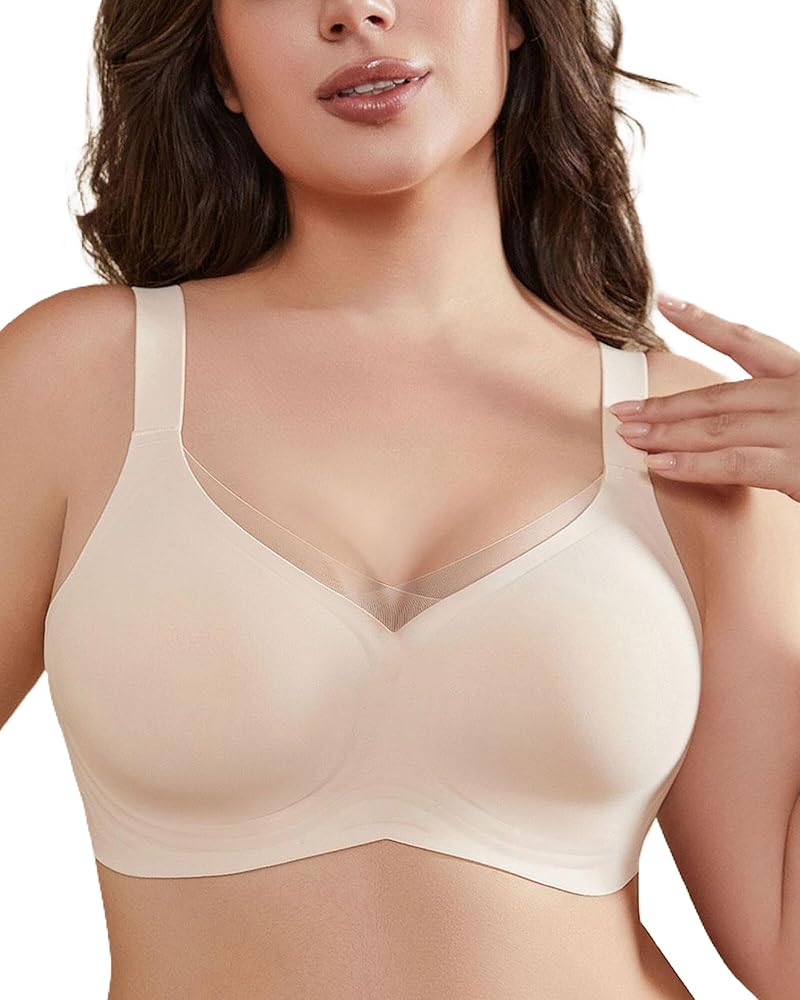
Not all crossover bras are created equal, and the material is paramount to its performance. The ideal fabric must possess four key qualities: elasticity, moisture-wicking capability, breathability, and durability. Scientific fabric guides from resources like Textile Exchange explain that blends incorporating high-quality nylon (like polyamide) and elastane (like Lycra) offer excellent recovery and shape retention, crucial for the crossover design to maintain its supportive tension. For everyday wear, seek out materials with a soft, brushed feel, such as micromodal or certain technical jerseys, which are derived from beechwood pulp and are renowned for their breathability and silky hand-feel. As yoga instructor and sustainable lifestyle advocate Adriene Mishler emphasizes on her YouTube channel, “Your practice wear should move with you, not against you. Fabrics that breathe and adapt are non-negotiable.” This principle applies directly to the crossover bra when styled for active or all-day wear. Avoid pure cotton for high-support needs, as it loses elasticity when stretched and retains moisture.
Demystifying Fit and Sizing: A Personalized Approach
A common misconception is that non-traditional bras are difficult to fit. The reality is that a crossover bra often provides a more forgiving and adaptable fit than its underwire counterpart. However, knowledge is power. First, recognize that crossover styles often use band-and-cup construction (e.g., 34C) or simple small/medium/large sizing based on torso and bust circumference. Always consult the brand’s specific size chart. The “crossover” or “wrap” design inherently accommodates slight variations in cup volume and asymmetry, a fact celebrated by body-positive platforms and medical sources alike, which note that perfect symmetry is rare. When trying one on, the central gore (where the fabric crosses) should lie flat against your sternum without gaping or digging. The band should provide firm, even support around your ribcage, and the straps should not bear the primary weight. Renowned lingerie fit expert Cora Harrington of The Lingerie Addict blog states, “A good bra makes your clothes look better, not just your body. The crossover style, when fitted correctly, creates a smooth, natural silhouette that serves as the perfect canvas.”

Strategic Integration: Building a Capsule Wardrobe
Investing in a well-made crossover bra is an investment in wardrobe efficiency. Think of it as a foundational layer that unlocks multiple outfit formulas. Start with two: one in a universal skin-tone shade (not necessarily white) for under light-colored tops, and one in black for darker outfits or to be worn as a top. From here, build out. A longline crossover style can double as a bodysuit under low-rise skirts or pants. A racerback crossover design is ideal for tanks and sleeveless dresses. The versatility is staggering. Furthermore, the practical knowledge of how to style these pieces empowers you to make smarter purchases. For instance, knowing that a simple black crossover bra can replace the need for a specific black camisole in five different outfits allows for a more minimalist, intentional closet. This approach aligns with the “capsule wardrobe” philosophy popularized by stylists like Susie Faux, which emphasizes quality, multi-use pieces over quantity.

The journey through the design, function, and styling of the crossover bra reveals it to be far more than a piece of lingerie. It is a tool for comfort engineered from scientific principles of support, a canvas for personal style that blurs the line between private and public dressing, and a smart investment that streamlines your wardrobe. By choosing designs with thoughtful materials and a precise fit, you are not just buying a bra—you are adopting a new standard for how your clothes feel and function from the skin out. The effortless chic it promises is rooted in this very real, tangible support, freeing you to move through your day with unencumbered confidence.