

How to Style a Retrofete Dress for Effortless Vintage Glamour
Vintage glamour isn’t about wearing a costume; it’s about channeling an attitude—a confident, polished, and distinctly romantic sensibility that feels both timeless and of-the-moment. At the heart of this modern vintage revival is the retrofete dress, a piece that masterfully bridges decades. This isn’t mere nostalgia; it’s a deliberate styling philosophy. To wear a retrofete dress is to engage in a dialogue between past and present, where the silhouette of a bygone era is reimagined with contemporary fabrics, cuts, and a liberated spirit. The goal is effortless glamour: a look that appears thoughtfully curated yet utterly natural, sophisticated without being stiff. This article will guide you through the principles and practices of styling these distinctive dresses, transforming them from beautiful garments into the cornerstone of your personal vintage-inspired narrative.
Decoding the Retrofete Aesthetic: More Than Just “Retro”
To style a retrofete dress effectively, one must first understand its design DNA. The term “retrofete” itself is a portmanteau, suggesting a “fetish” or deep admiration for retro styles, but executed with a modern fetish for quality and detail. Unlike strict vintage reproduction, Retrofete as a brand selectively curates elements from fashion history—think the sleek bias cuts of the 1930s, the full skirts of the 1950s, the mod shifts of the 1960s, or the disco glam of the 1970s—and infuses them with contemporary sensibility. As fashion historian and curator Dr. Valerie Steele of The Museum at the Fashion Institute of Technology has noted, “The most successful ‘retro’ fashion doesn’t copy; it interprets. It understands the original context but speaks in a modern vocabulary.” This is precisely the retrofete dress philosophy. The fabrics often have more stretch, the hemlines might be adjusted for today’s proportions, and the embellishments—whether intricate beading, delicate lace, or bold sequins—are applied with a precision that nods to heritage craftsmanship while meeting modern expectations of wearability and fit. It’s this hybrid nature that makes styling so exciting; you are working with a garment that already contains a conversation between eras.
The Foundation: Silhouette Recognition and Era Emulation
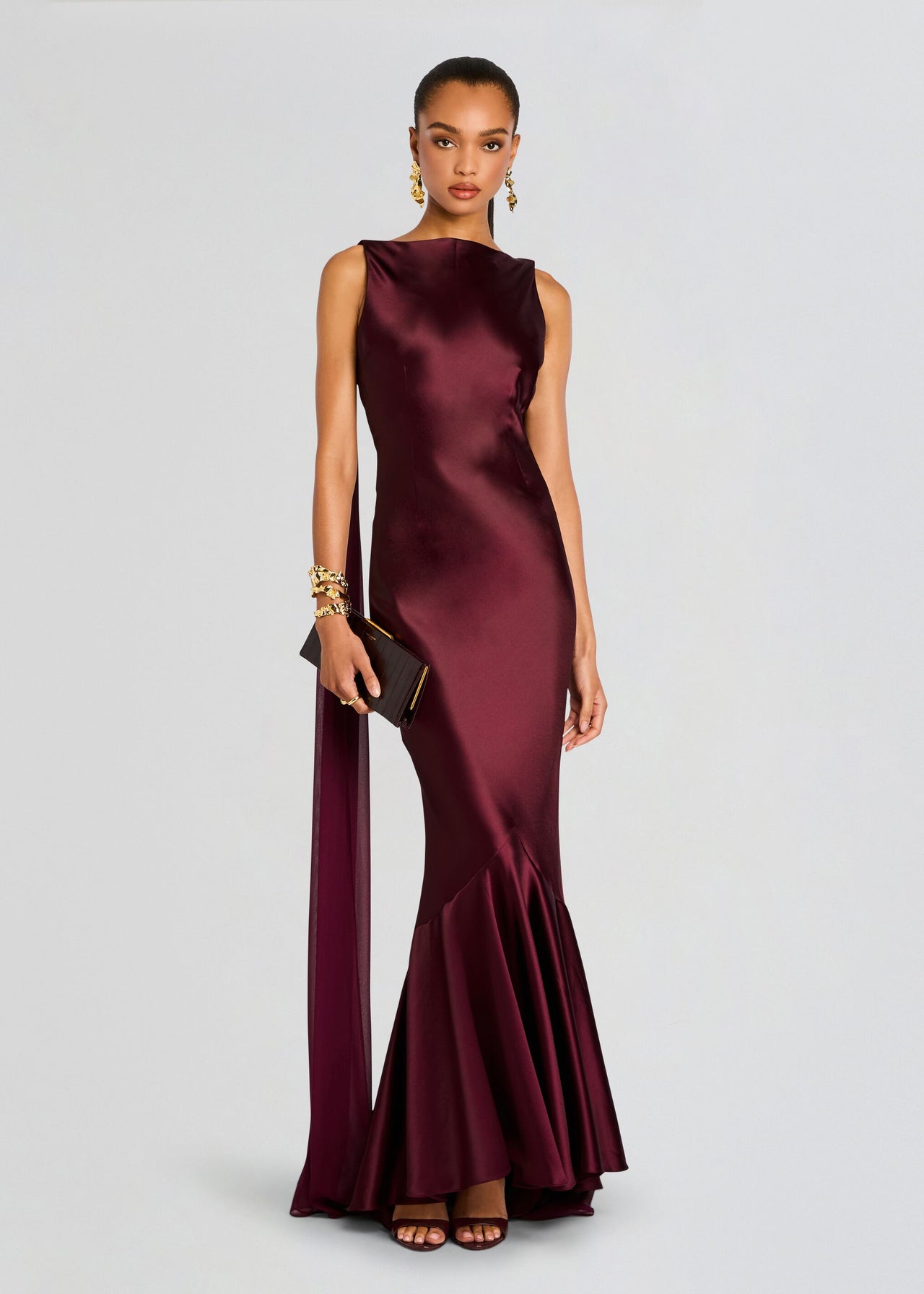
Your styling journey begins the moment you select the dress, and key to that is recognizing its dominant silhouette. A body-hugging, cowl-neck jersey gown immediately whispers 1930s Hollywood, a la Jean Harlow or Madeleine Vionnet’s revolutionary cuts. Styling this demands a focus on fluidity and drape. Conversely, a retrofete dress with a structured, nipped-in waist and a full, tulle-skirted bottom is a direct homage to Christian Dior’s 1947 “New Look,” which celebrated hyper-femininity and opulence after the austerity of war. A shift dress with graphic, color-blocked patterns screams 1960s mod, influenced by designers like Mary Quant and the youthful energy of London. Identifying this primary era gives you a stylistic roadmap. However, the “effortless” part of glamour comes from not committing fully to the bit. The goal isn’t to look like you stepped out of a time machine, but rather like you’ve absorbed the elegance of that period and filtered it through your contemporary life. For the 1930s-style gown, think soft, undone waves instead of rigid finger curls; for the 1950s silhouette, perhaps pair it with minimalist sandals instead of exact replica pumps. This selective emulation respects the source material while asserting your modern identity.
Accessorizing the Dialogue: Curating Complementary Pieces
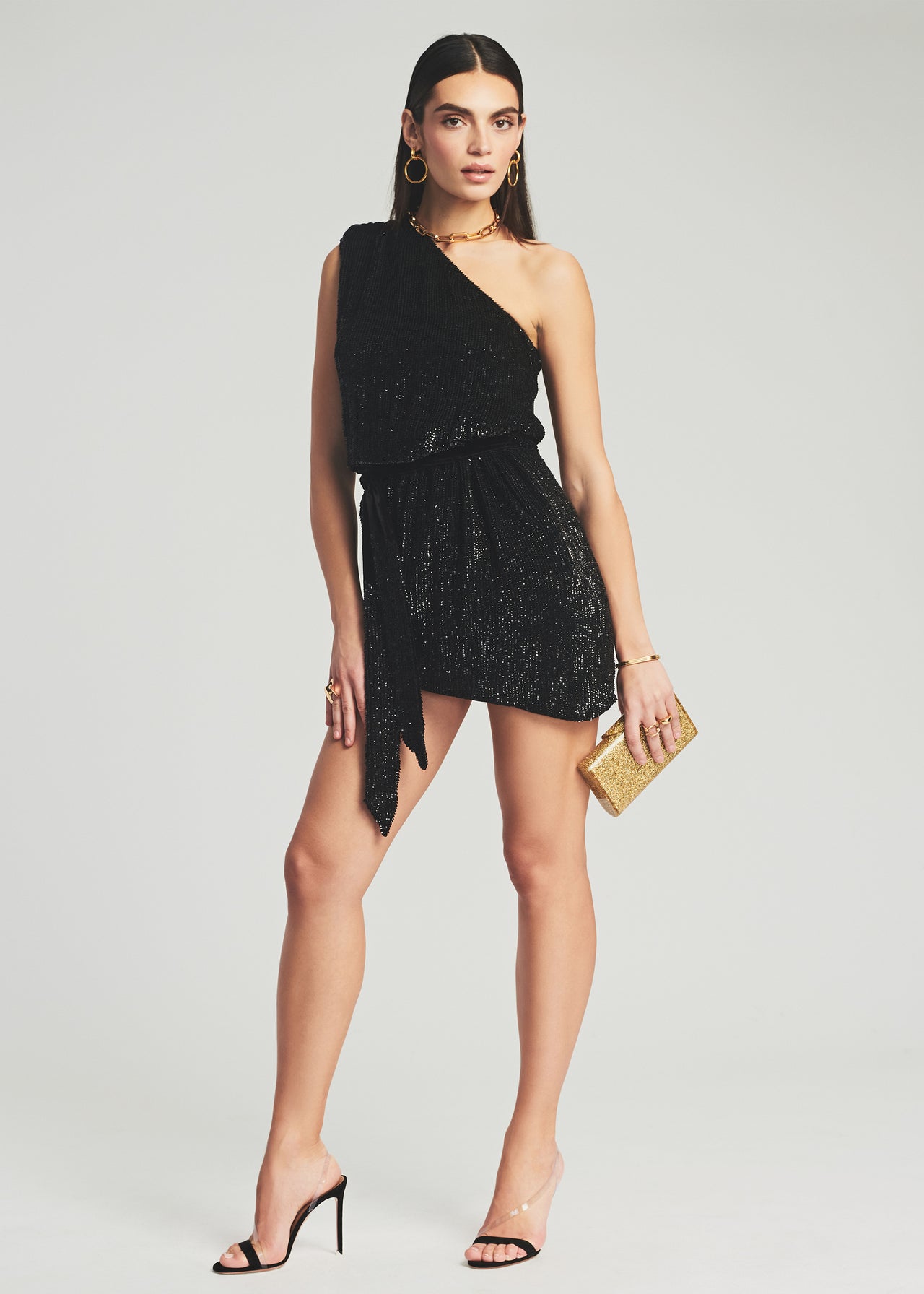
Accessories are the punctuation marks in your style sentence—they can turn a statement into a question, an exclamation, or a thoughtful pause. With a retrofete dress, they are essential for balancing vintage inspiration with contemporary cool. The golden rule is to let the dress be the star. If your dress is heavily embellished or features a bold print, opt for subtle, refined accessories. A simple clutch, thin gold hoops, or a single delicate bracelet can be profoundly elegant. As style icon Iris Apfel famously quipped, “More is more and less is a bore, but you have to know when to stop.” This wisdom is key; the dress often provides the “more,” so your accessories can provide the strategic “less.” For a simpler dress—say, a sleek satin slip—this is your chance to introduce vintage or vintage-inspired statement pieces. A chunky, art deco cocktail ring, a beaded bag from an actual thrift store find, or strappy heels with an architectural feel can inject the glamour. Footwear is a particularly powerful tool. Swapping expected stilettos for clean white sneakers with a 1950s full-skirted dress creates an instant, off-duty model vibe. Ankle boots with a 1960s mod shift dress ground it with a downtown edge. This conscious mixing of codes is what prevents the look from feeling like a themed outfit and elevates it to a personal style statement.

Modern Alchemy: Hair, Makeup, and the Finishing Touches
Completing the transformation into effortless vintage glamour requires attention to the canvas upon which the dress sits: yourself. Hair and makeup should harmonize with, not compete against, your chosen retrofete dress. For hairstyles, consider modern iterations of classic shapes. Instead of a perfectly spherical 1940s victory roll, try a loosely pinned, slightly messy updo with face-framing tendrils. Rather than rigid 1960s helmet hair, opt for a deep side part and smooth, blown-out volume that feels fresh and red-carpet ready. Makeup artist Lisa Eldridge, in her authoritative book “Face Paint: The Story of Makeup,” emphasizes that historical makeup looks were often dictated by technology and social mores. Today, we have the freedom to pick and choose. A 1920s-inspired beaded flapper dress might be paired with a strong, smoky eye but with modern, blended techniques and a nude lip instead of the period-correct cupid’s bow. A 1970s-style halter gown could be complemented with glowing skin, bronzer, and a wash of shimmer on the lids, skipping the heavy lower-lash-line mascara of the era. The objective is to capture the essence of the period’s beauty ideal—glamour, sophistication, playfulness—without the literal application. This approach ensures you look and feel like yourself, merely enhanced by a whisper of another time.
Context is King: Situating Your Vintage Glamour
True style intelligence understands that clothing exists in context. An outfit perfect for a gala will feel absurd at a casual brunch, no matter how beautiful. The versatility of a well-styled retrofete dress lies in its ability to adapt to different settings through layering and styling tweaks. For daytime events, consider softening the glamour with utilitarian or casual layers. A tailored, oversized blazer in a neutral tone thrown over a sequined mini dress instantly makes it appropriate for a fancy lunch or a gallery visit. A simple, high-quality denim jacket can temper the formality of a floral-print, tea-length dress, making it perfect for a garden party or a date. For evening, you can lean fully into the drama. A luxurious faux fur stole or a sleek leather moto jacket (for contrast) can add warmth and attitude to a silk gown. The setting also informs your accessory choices. Day calls for smaller bags and practical, if still elegant, shoes. Night opens the door to glittering clutches and daring heels. By thoughtfully considering your environment, you demonstrate that your vintage glamour isn’t a static costume but a dynamic, intelligent part of your lifestyle. It shows an understanding that fashion is not just about the garment, but about the life lived in it.
Building a Sustainable Glamour Wardrobe: Investment and Care
Embracing the retrofete dress aesthetic is an investment in a particular kind of beauty and quality. These are often pieces designed to stand out and to last, moving away from the cycle of fast fashion. The professional knowledge here is that cost-per-wear is a crucial metric. A beautifully crafted dress that makes you feel extraordinary every time you wear it, and that is versatile enough for multiple occasions through clever styling, offers immense value. To protect this investment, proper care is non-negotiable. Always adhere to the garment’s care label. Many Retrofete dresses, with their delicate embellishments and special fabrics, will require professional dry cleaning. Store them properly on padded hangers to maintain their shape, away from direct sunlight to prevent fading. Consider this care ritual as part of the glamour—a respect for the artistry of the garment. Furthermore, building a capsule of such pieces allows for endless remixing. A single standout dress can be the centerpiece of numerous outfits, accessed differently each time. This approach is not only economically savvy but also aligns with a more sustainable, considered approach to fashion, where pieces are cherished and worn for years, accruing their own history and memories.
Ultimately, styling a Retrofete dress for effortless vintage glamour is an exercise in personal curation and confident synthesis. It begins with an understanding of the garment’s historical whispers, flourishes through the strategic selection of modern complements, and is perfected in the subtle adaptation of beauty and context. It’s about allowing the dress to inspire you, not define you. When you master this balance, the result is a magnetism that feels both classic and uniquely yours—a glamour that appears not labored over, but simply, effortlessly, inherent.
